The Risks of Taking Sleeping Tablets Nightly UK Guide
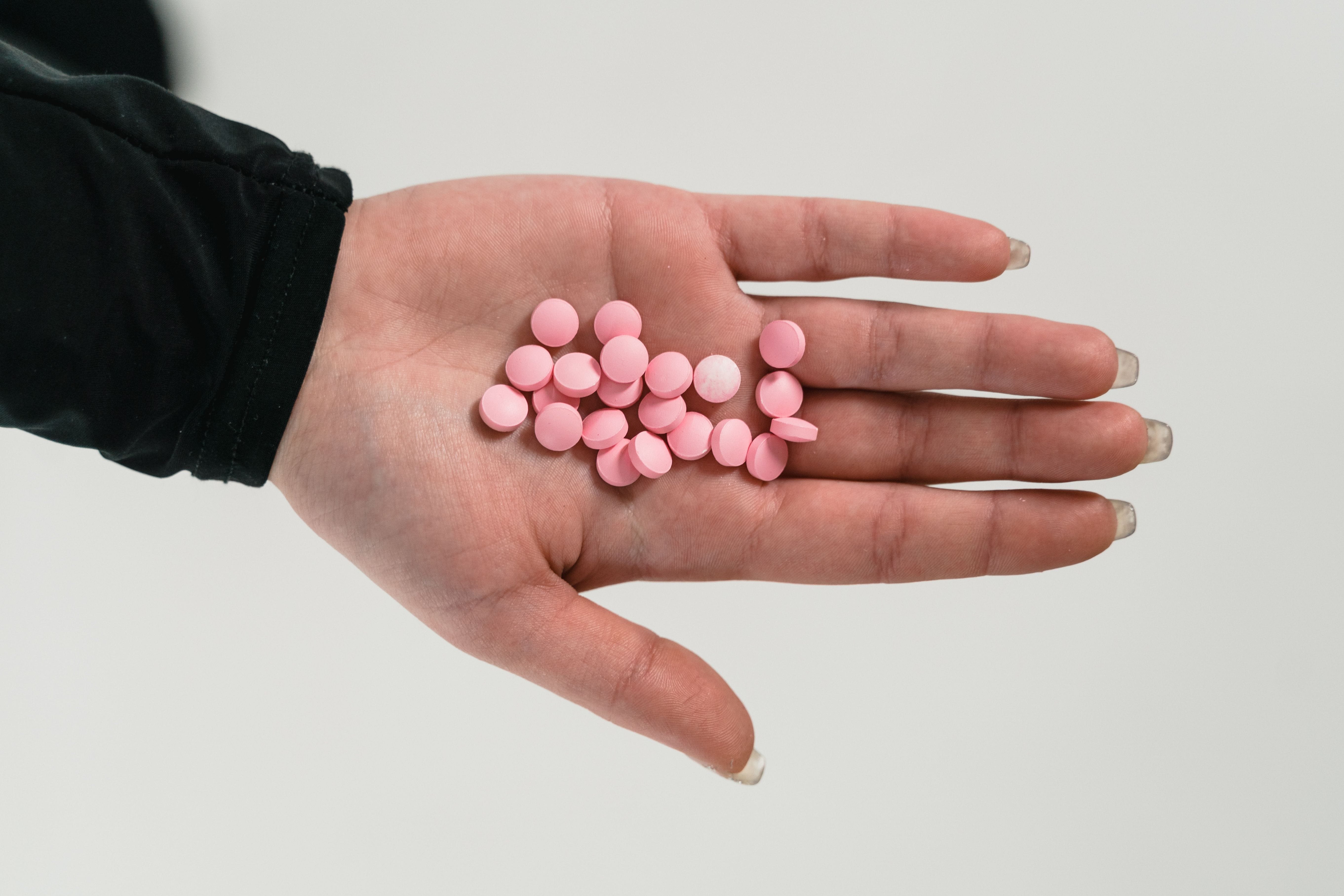
Sleeping tablets nightly may feel like the only solution when insomnia becomes exhausting, but regular use can create serious problems. Sleeping tablets can help some people for short periods when insomnia is severe, but relying on them every night can increase the risk of tolerance, dependence, withdrawal, rebound insomnia, memory problems, daytime drowsiness, falls, accidents, and unsafe interactions.
Sleeping tablets nightly should not become a long-term habit without medical review. In the UK, prescription sleeping tablets such as zopiclone, zolpidem, temazepam, diazepam, and some other sedatives are normally intended for short-term or carefully supervised use. Even over-the-counter sleep aids should not be used for long periods without advice.
This UK guide explains the risks of sleeping tablets nightly, why tolerance and dependence happen, what withdrawal can feel like, why alcohol is dangerous, when to speak with a GP or pharmacist, and safer ways to manage insomnia.
Sleeping Tablets Nightly
Sleeping tablets nightly are generally not recommended unless a doctor or prescriber has given a clear short-term plan. Regular use can make the body used to the medicine, meaning the same dose may become less effective. This is called tolerance. Some people may then feel unable to sleep without tablets, which can lead to dependence.
Sleeping tablets nightly can also make insomnia worse when stopped suddenly. This is called rebound insomnia. The safest route is not to increase the dose or stop suddenly. Speak with a GP, pharmacist, or prescriber if you are taking sleeping tablets often or feel worried about stopping.
For wider education, read Sleeping Medication UK and Best Sleep Medication UK.
At a Glance
| Risk Area | What Can Happen | Safer Action |
|---|---|---|
| Tolerance | The same dose may stop working as well | Review with prescriber |
| Dependence | You may feel unable to sleep without tablets | Do not stop suddenly |
| Withdrawal | Anxiety, agitation, rebound insomnia, mood changes | Gradual taper with medical advice |
| Daytime impairment | Sleepiness, poor focus, slower reaction time | Avoid driving if affected |
| Falls and accidents | Dizziness, confusion, poor balance | Extra caution in older adults |
| Alcohol interaction | Deep sedation, breathing risk, difficulty waking | Avoid alcohol |
| Mental health effects | Low mood, confusion, unusual behaviour | Seek medical advice |
| Root cause missed | Anxiety, pain, sleep apnoea or depression may continue | Treat the underlying cause |
How Sleeping Tablets Work
Sleeping tablets nightly can affect brain chemicals that calm the nervous system. Medicines such as zopiclone and zolpidem are often called Z-drugs. Some benzodiazepines, such as temazepam or diazepam, can also have sedative effects. These medicines can make the brain less alert and help some people fall asleep.
The problem is that repeated nightly use can change how the body responds. Over time, the medicine may feel less effective, and sleep may become linked with taking a tablet rather than a natural sleep routine.
Sleeping tablets nightly can also affect alertness the next day, especially if the dose is too high, sleep time is too short, alcohol is used, or other sedating medicines are taken.
Why Nightly Use Becomes Risky
Sleeping tablets nightly are risky because they can move from short-term support into long-term reliance. The person may start with a few bad nights, then continue because they fear not sleeping without the tablet.
This creates a cycle:
Insomnia starts.
A sleeping tablet gives short-term relief.
The person uses it again the next night.
Confidence in natural sleep reduces.
The body becomes used to the medicine.
Stopping feels difficult.
Rebound insomnia increases fear.
The tablet becomes part of the sleep routine.
This cycle should be broken carefully with professional support, not sudden stopping.
Tolerance: Why the Same Dose May Stop Working
Sleeping tablets nightly can lead to tolerance. Tolerance means the body becomes used to the medicine, so the same dose may not work as well as before. This can make people think they need a stronger dose, more tablets, or a different medicine.
Increasing the dose without medical advice is dangerous. It can increase:
Daytime drowsiness
Confusion
Falls
Breathing problems
Memory problems
Dependence
Overdose risk
Dangerous interactions with alcohol or opioids
If a sleeping tablet stops working, speak with a GP or pharmacist instead of increasing the dose.
Dependence: Feeling Unable to Sleep Without Tablets
Sleeping tablets nightly can lead to dependence. Dependence means the body or mind starts to rely on the medicine. A person may feel anxious about bedtime without tablets, worry they will not sleep, or feel they cannot function without them.
Dependence is not a moral failure. It is a known medical risk with some sleep medicines. It can happen even when someone started with a genuine prescription for severe insomnia.
Signs of possible dependence include:
Taking tablets longer than planned
Feeling anxious when tablets run low
Taking more than prescribed
Using tablets every night
Using alcohol or other sedatives with tablets
Trying to stop but restarting quickly
Worrying about sleep without medicine
Asking for repeat supplies without review
If these signs appear, speak with a healthcare professional.
Withdrawal and Rebound Insomnia
Sleeping tablets nightly should not be stopped suddenly after long-term use unless a clinician says it is safe. Sudden stopping can cause withdrawal symptoms and rebound insomnia.
Withdrawal symptoms may include:
Anxiety
Restlessness
Mood changes
Agitation
Sweating
Tremor
Headache
Nausea
Poor concentration
Sensitivity to light or noise
Severe sleep disruption
Rebound insomnia means sleep may become worse than before for a short period after stopping. This can make people restart the tablets. A gradual taper and non-medicine sleep support can reduce this risk.
Zopiclone Nightly Use
Sleeping tablets nightly often include zopiclone. Zopiclone is a prescription-only Z-drug used for short-term insomnia. It may help with falling asleep, night waking, or early waking when insomnia affects daily life.
However, zopiclone is usually not intended for long-term nightly use. Repeated use can lead to tolerance and dependence. It can also cause dry mouth, bitter or metallic taste, next-day tiredness, feeling dazed, and reduced alertness.
Do not drive, cycle, or use machinery if zopiclone makes you sleepy, dazed, or less alert.
For related safety content, read How Long Does Zopiclone Take to Work? and Zopiclone vs Zolpidem in the UK.
Zolpidem Nightly Use
Sleeping tablets nightly may also involve zolpidem. Zolpidem is another prescription sleep medicine used short term. It can make people feel sleepy and may work quickly, but regular use beyond the recommended period can lead to dependence.
Zolpidem can also cause unusual sleep behaviours in some people, such as sleepwalking, making food, making phone calls, or doing things while not fully awake. This risk may increase with alcohol or some mental health medicines.
Do not drive or do safety-critical work if zolpidem makes you sleepy, dizzy, clumsy, confused, or unable to concentrate.
Benzodiazepines and Nightly Sleep Use
Sleeping tablets nightly can also involve benzodiazepines such as temazepam or diazepam when they are used for sleep, anxiety, or sedation. These medicines can calm the nervous system but can also cause dependence, tolerance, withdrawal symptoms, confusion, falls, memory problems, and dangerous sedation with alcohol or opioids.
Benzodiazepines should not be used as a long-term nightly sleep solution unless a clinician has a specific supervised reason. People with a history of alcohol, drug, or prescription medicine dependence need extra caution.
OTC Sleep Aids Are Not Long-Term Solutions
Sleeping tablets nightly does not only apply to prescription medicines. Over-the-counter sleep aids can also become a habit. Some pharmacy sleep aids contain sedating antihistamines, while others contain natural ingredients such as valerian or lavender.
These products may help for short periods, but they cannot cure insomnia. They may also cause drowsiness, dizziness, dry mouth, poor concentration, and next-day impairment.
For safer OTC guidance, read Best Sleeping Pills Over the Counter UK and Natural Sleeping Pills UK.
Alcohol and Sleeping Tablets
Sleeping tablets nightly should never be mixed with alcohol. Alcohol can increase sedation, worsen breathing risk, make it harder to wake up, increase confusion, and raise the risk of falls or accidents.
Alcohol may feel like it helps sleep at first, but it can worsen sleep quality later in the night. It can also make insomnia worse over time.
Avoid alcohol with:
Zopiclone
Zolpidem
Diazepam
Temazepam
Clonazepam
Promethazine
Diphenhydramine
Opioid painkillers
Drowsy herbal blends
Other sedatives
Driving, Work and Next-Day Safety
Sleeping tablets nightly can affect the next day. Even if a person sleeps, they may still feel slower, less alert, dizzy, confused, or less able to react quickly.
This matters for:
Driving
Cycling
Operating machinery
Working at height
Caring responsibilities
Using tools
Safety-critical work
Studying or exams
Decision-making
If you feel sleepy, dazed, dizzy, clumsy, confused, or unable to concentrate, do not drive or do safety-critical tasks.
Older Adults and Fall Risk
Sleeping tablets nightly can be especially risky for older adults. Age can affect how long medicines stay in the body. Sedation, dizziness, confusion, and poor balance can increase the risk of falls, fractures, and hospital admission.
Older adults should usually have a careful medication review before using sleep medicines. Non-drug support and safer sleep routines may be preferred where possible.
Mental Health and Sleep Tablets
Sleeping tablets nightly may hide the real cause of poor sleep. Insomnia can be linked with anxiety, depression, trauma, grief, stress, panic symptoms, pain, alcohol use, or medication side effects.
Sleeping tablets may help sedation, but they do not treat the root cause of anxiety, depression, or chronic stress. If sleep problems come with low mood, hopelessness, panic, or thoughts of self-harm, medical support is important.
For related reading, see Anxiety and Sleep Problems and Sleep and Mental Health.
When Nightly Use May Need Medical Review
Sleeping tablets nightly should be reviewed if:
You take them every night
You have used them for more than a few weeks
You need a higher dose than before
You feel anxious without them
You mix them with alcohol
You take opioids or benzodiazepines
You feel sleepy during the day
You have falls or confusion
You wake gasping or choking
You have low mood or suicidal thoughts
You buy medicines online without proper checks
A GP or pharmacist can help review the safest next step.
How to Stop Safely
Sleeping tablets nightly should usually be reduced gradually after long-term use. The exact plan depends on the medicine, dose, length of use, age, health conditions, and withdrawal symptoms.
Do not stop suddenly unless a clinician tells you to. A safer plan may include:
Reviewing all medicines
Reducing dose slowly
Avoiding alcohol
Using CBT-I support
Keeping a sleep diary
Treating anxiety or pain
Setting a fixed wake-up time
Monitoring withdrawal symptoms
Regular review with a GP or pharmacist
The goal is not just to remove the tablet. The goal is to rebuild sleep confidence.
Safer Long-Term Insomnia Support
Sleeping tablets nightly should be replaced with safer long-term insomnia support where possible. CBT-I is one of the most important non-drug treatments. It helps change sleep habits, sleep anxiety, and behaviours that keep insomnia going.
Helpful long-term steps include:
Fixed wake-up time
Morning daylight
Less caffeine
Less alcohol
No screens close to bedtime
Calm wind-down routine
Dark and quiet bedroom
Avoid daytime naps
Sleep diary
Relaxation training
Worry journaling
CBT-I techniques
GP review for pain, mood, breathing or medicines
For natural first steps, read How to Treat Insomnia Naturally Before Turning to Medication.
Online Buying and Fake Medicine Risk
Sleeping tablets nightly become more dangerous when tablets are bought from unregulated websites, social media sellers, WhatsApp sellers, marketplace sellers, or overseas sources without proper checks.
Unsafe medicines may contain:
Wrong dose
No active ingredient
Hidden sedatives
Contaminants
Out-of-date medicine
Incorrect labelling
No patient leaflet
No pharmacist review
For online safety, read Online Sleep Medication UK.
Product Link Safety Rule
This article should use 0 direct product links. It is a safety article about the risks of reliance, tolerance, dependence, withdrawal, and safer insomnia support. It should not link directly to zopiclone, zolpidem, diazepam, clonazepam, or other sedative product pages.
It is acceptable to link to educational guides about sleep medication, insomnia, CBT-I, side effects, and safe online access. Remove product-catalogue promotion from the body.
Frequently Asked Questions
Is it safe to take sleeping tablets every night?
Sleeping tablets nightly are generally not recommended without medical review because they can cause tolerance, dependence, withdrawal, next-day impairment, and other safety risks.
How long should sleeping tablets be used?
Prescription sleeping tablets are usually used short term. NHS guidance says they are normally prescribed only for a few days or weeks at most when insomnia is severe and other treatments have not worked.
Can sleeping tablets become addictive?
Yes. Some sleeping tablets can cause dependence, especially when used longer than advised or taken every night.
What is tolerance?
Tolerance means the body becomes used to the medicine, so the same dose may stop working as well. This can lead people to want higher doses, which is risky.
What happens if I stop sleeping tablets suddenly?
Stopping suddenly after long-term use can cause withdrawal symptoms and rebound insomnia. Speak with a doctor or pharmacist before stopping.
Can sleeping tablets affect driving?
Yes. Sleeping tablets can cause next-day drowsiness, dizziness, poor concentration, and slower reaction time. Do not drive if affected.
Can I drink alcohol with sleeping tablets?
No. Alcohol can increase sedation, breathing risk, confusion, falls, and difficulty waking.
Are OTC sleeping aids safe for nightly use?
OTC sleep aids should not be used long term without advice. They may help for short periods but cannot cure insomnia and may cause side effects.
What is the safest way to reduce sleeping tablets?
The safest way is usually a gradual reduction plan supervised by a GP, pharmacist, or prescriber, combined with CBT-I-style sleep support.
Should this page link to sleeping tablet products?
No. This page should use 0 direct product links because it is a safety and dependence-risk article.
Conclusion
Sleeping tablets nightly can create serious risks, including tolerance, dependence, withdrawal, rebound insomnia, memory problems, daytime drowsiness, falls, accidents, alcohol interactions, and missed underlying causes. Sleeping tablets may help some people for a short time, but they should not become a long-term nightly routine without medical review.
The safest UK approach is to speak with a GP or pharmacist, avoid alcohol, avoid dose increases, avoid unsafe online sellers, and use CBT-I-style support to rebuild natural sleep confidence. If insomnia continues, affects daily life, or is linked with mood, breathing, pain, or medicine dependence, professional support is essential.