TAPENTADOL TABLET 100MG
Price range: £56.99 through £500.99
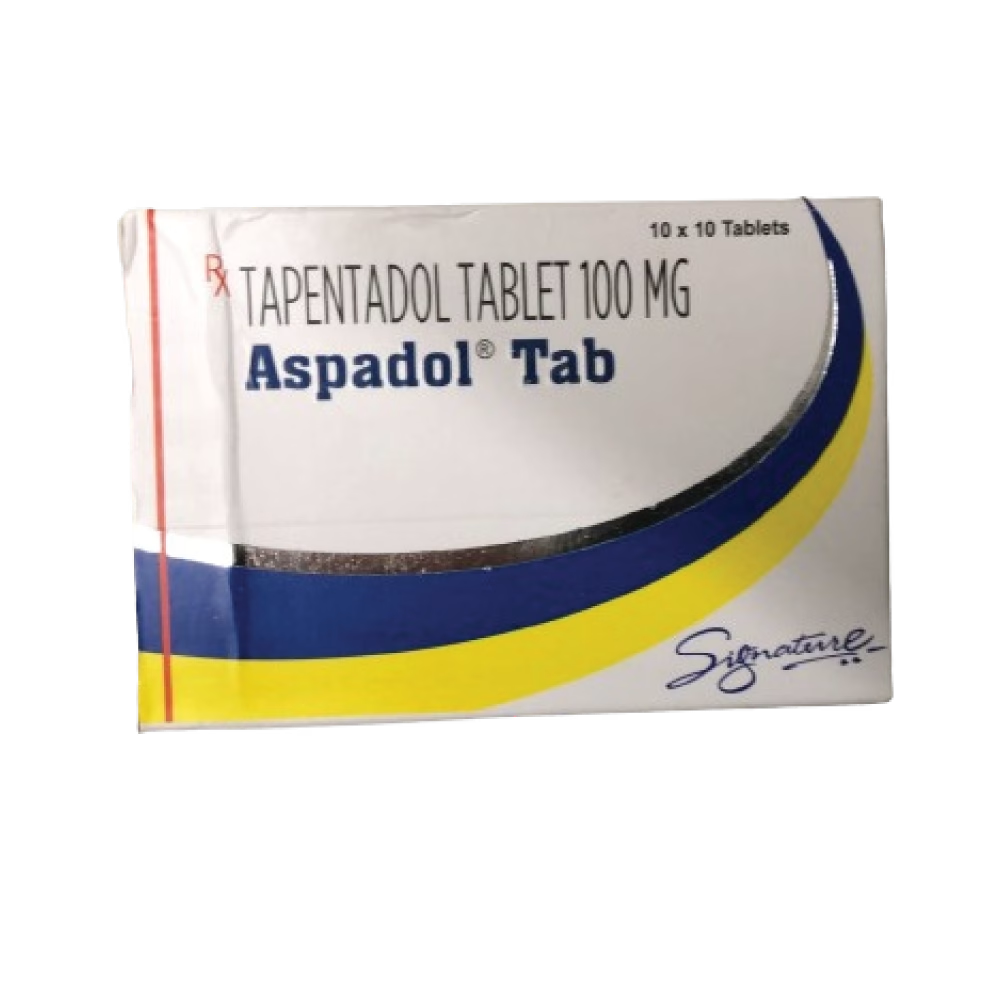
Tapentadol 100mg tablets contain a strong opioid pain medicine used only when a qualified prescriber decides opioid treatment is appropriate. The live product image shows Aspadol Tab 100mg. Tapentadol can cause drowsiness, breathing problems, dependence, addiction, withdrawal and dangerous interactions with alcohol or sedating medicines.
A confidential clinical assessment and valid prescription are required before treatment can be considered. Approval and treatment quantity are not guaranteed and must be based on your symptoms, medical history, current medicines and individual safety risks.
Start a confidential assessment to check whether this treatment or another pain-management option may be suitable.
Tapentadol 100mg Tablets (Aspadol) – UK Patient Information
Tapentadol 100mg is a strong prescription opioid medicine used in selected cases of moderate to severe pain. It changes how pain signals are processed within the brain and nervous system.
The product image displayed on this page shows Aspadol Tab, containing Tapentadol Tablet 100mg. Because tapentadol is a powerful controlled medicine, it must not be treated like an ordinary over-the-counter painkiller.
In the UK, tapentadol is classified as a Class A, Schedule 2 controlled drug. Any legitimate treatment decision must follow a clinical assessment, a valid prescription and appropriate pharmacy checks.
Treatment is not automatically suitable simply because someone experiences severe pain. A qualified prescriber must assess the type of pain, how long it has been present, previous treatments, other health conditions and the risk of opioid-related harm.
For general educational information, read our complete Tapentadol uses, side effects and safety guide.
What is Tapentadol 100mg?
Tapentadol is an opioid analgesic. An analgesic is a medicine that reduces pain, while an opioid is a substance that acts on specific receptors within the brain, spinal cord and nervous system.
Tapentadol has two principal actions. It acts at mu-opioid receptors and affects noradrenaline signalling involved in the transmission of pain. These combined effects can reduce the way certain pain signals are experienced.
However, its opioid activity also creates significant risks. These include:
- Drowsiness
- Dizziness
- Breathing difficulties
- Constipation
- Dependence
- Addiction
- Withdrawal symptoms
- Accidental overdose
- Dangerous interactions with other medicines
Tapentadol should therefore be used only for a medically accepted reason and under appropriate professional supervision.
What does the Aspadol product image show?
The live image shows a pack labelled:
- Aspadol Tab
- Tapentadol Tablet 100mg
- 10 × 10 tablets
- Prescription medicine symbol
The page should be renamed to identify the actual displayed brand rather than using only the generic title “Tapentadol Tablet 100mg.”
However, the page currently does not display:
- A product-licence number
- A verified patient information leaflet
- Full manufacturer information
- Batch-verification information
- Expiry or packaging-verification guidance
- Whether the tablet is immediate-release or prolonged-release
These points should be confirmed before making product-specific medical or licensing claims.
Is this immediate-release or prolonged-release Tapentadol?
The displayed pack says Aspadol Tab 100mg and does not visibly show “ER,” “SR,” “MR” or “prolonged release.”
The page should not describe this product as prolonged-release unless its authentic packaging and authorised information leaflet confirm that formulation.
Tapentadol products can have different release mechanisms. An immediate-release tablet and a prolonged-release tablet are not automatically interchangeable. Their licensed uses, dosing schedules and instructions can differ.
The Royal Devon NHS leaflet confirms that tapentadol is available in immediate-release and modified-release formulations.
Add the following product attribute only after verification:
Formulation: Immediate-release tablet or prolonged-release tablet
Do not guess this field.
What may Tapentadol be prescribed for?
The precise reason for treatment depends on the formulation and licensed product.
Certain immediate-release tapentadol products are used for moderate to severe acute pain that can only be managed adequately with an opioid analgesic. Prolonged-release products may be prescribed for severe long-term pain in adults requiring continuous opioid treatment.
A clinician may consider several factors:
- Whether the pain is acute or chronic
- Whether nerve-related pain is present
- How severe the pain is
- Whether safer treatments have been attempted
- Previous opioid exposure
- The patient’s ability to be monitored
- Whether the expected benefit outweighs the risks
Tapentadol should not be selected purely because it is considered stronger than common painkillers.
Review the broader Pain Killers category for your site’s pain-treatment information structure.
Why is a clinical assessment necessary?
A clinical assessment helps the prescriber understand whether opioid treatment is appropriate and safe.
The type and cause of pain
Pain can result from:
- Injury
- Surgery
- Nerve damage
- Musculoskeletal conditions
- Inflammation
- Cancer
- An underlying medical condition
- Previous unsuccessful treatment
Different types of pain respond differently to medicines. Stronger medication is not always the correct solution.
Previous pain treatment
The prescriber may ask which treatments have already been used, including:
- Paracetamol
- Anti-inflammatory medicines
- Physiotherapy
- Neuropathic-pain medicines
- Other opioids
- Pain-management programmes
- Psychological or behavioural support
The prescriber must also understand whether previous medicines caused side effects, tolerance or dependence.
Medical history
Important conditions may include:
- Asthma or breathing problems
- Sleep apnoea
- Liver problems
- Kidney problems
- Head injury
- Brain tumour
- Epilepsy or seizure disorders
- Bowel obstruction
- Pancreatic or gallbladder disease
- Depression or another mental-health condition
- Previous alcohol or drug dependence
Some conditions may make tapentadol unsuitable or require additional monitoring.
Tapentadol and breathing problems
Respiratory depression is one of the most serious opioid risks. It means that breathing becomes dangerously slow or shallow.
Risk may be higher when:
- The dose is too high
- The medicine is taken more often than prescribed
- It is combined with alcohol
- It is combined with benzodiazepines
- It is combined with sleeping medicines
- Other opioids are being taken
- Gabapentin or pregabalin is used at the same time
- The person has an existing breathing disorder
- The medicine is used by someone for whom it was not prescribed
UK product information warns that combining tapentadol with sedating medicines can cause sedation, respiratory depression, coma and death.
Seek emergency assistance for:
- Slow, shallow or difficult breathing
- Blue or grey lips
- Extreme sleepiness
- Inability to wake
- Collapse
- Loss of consciousness
- Suspected overdose
Dependence, addiction and withdrawal
Tapentadol can cause physical dependence and addiction. These are related but different issues.
Physical dependence means the body has adapted to the medicine. Withdrawal symptoms may occur when treatment is stopped suddenly.
Addiction may involve loss of control, cravings, continued use despite harm or taking the medicine for reasons other than the prescribed purpose.
The risk may increase with:
- Higher doses
- Longer treatment
- Previous substance misuse
- A personal or family history of addiction
- Using the medicine for sleep or emotional relief
- Taking additional doses without approval
- Seeking early or repeated supplies
The patient information leaflet warns that repeated opioid use can result in tolerance, dependence, abuse, addiction and life-threatening overdose.
Never stop regular opioid treatment suddenly without advice. A prescriber may recommend gradual dose reduction.
Common Tapentadol side effects
Possible side effects can include:
- Nausea
- Vomiting
- Constipation
- Dizziness
- Sleepiness
- Headache
- Dry mouth
- Sweating
- Fatigue
- Reduced concentration
- Digestive discomfort
Not every person experiences the same effects. Some side effects may improve as the body adjusts, while others require medical review.
Contact a healthcare professional when side effects are persistent, severe or interfere with normal activities.
Serious side effects
Urgent medical help may be required for:
- Breathing difficulty
- Severe allergic reaction
- Extreme sedation
- Confusion
- Hallucinations
- Collapse
- Seizure
- Loss of consciousness
- Suspected overdose
- Symptoms of serotonin syndrome
Tapentadol may increase seizure risk, especially in people with seizure disorders or those using other medicines that lower the seizure threshold.
Tapentadol and serotonin syndrome
Serotonin syndrome is an uncommon but potentially serious reaction involving excessive serotonin activity.
Risk may increase when tapentadol is combined with certain:
- SSRIs
- SNRIs
- Tricyclic antidepressants
- Other serotonergic medicines
Possible symptoms include:
- Agitation
- Heavy sweating
- Tremor
- Muscle twitching
- Overactive reflexes
- High temperature
- Confusion
- Rapid heartbeat
UK product information reports cases of serotonin syndrome when tapentadol has been combined with serotonergic medicines.
Always provide the prescriber with a complete list of medicines.
Alcohol and sedating medicines
Do not combine tapentadol with alcohol.
Alcohol can increase:
- Sleepiness
- Loss of coordination
- Poor judgement
- Breathing suppression
- Coma and overdose risk
Extra caution is required with:
- Diazepam
- Alprazolam
- Lorazepam
- Clonazepam
- Temazepam
- Zopiclone
- Zolpidem
- Codeine
- Tramadol
- Morphine
- Oxycodone
- Pregabalin
- Gabapentin
- Sedating antihistamines
- Antipsychotic medicines
Do not combine medicines simply because they were prescribed on different occasions.
Driving and operating machinery
Tapentadol may affect:
- Alertness
- Concentration
- Coordination
- Reaction speed
- Decision-making ability
Do not drive, cycle, use machinery or perform hazardous work when sleepy, dizzy, confused or unable to concentrate.
A prescription does not make it lawful or safe to drive while impaired. UK product information advises patients not to drive until they understand how treatment affects them.
Pregnancy and breastfeeding
Tell the prescriber if you:
- Are pregnant
- May be pregnant
- Are planning pregnancy
- Are breastfeeding
Regular opioid exposure during pregnancy can cause dependence and withdrawal symptoms in a newborn. Opioid use near labour may also affect the baby’s breathing.
Tapentadol should not be used during breastfeeding unless an appropriate specialist has reviewed the risks and benefits.
Do not start or suddenly stop an opioid during pregnancy without medical advice.
How should Tapentadol 100mg be taken?
Take tapentadol only according to the instructions of the prescribing clinician and the verified patient information leaflet supplied with the exact product.
General safety rules include:
- Do not take more than prescribed
- Do not take doses more frequently than instructed
- Do not share tablets
- Do not use another person’s prescription
- Do not combine with alcohol
- Do not use it as a sleeping medicine
- Do not crush or alter tablets without verified instructions
- Do not stop regular treatment suddenly
- Keep treatment reviews and follow-up appointments
The correct dose cannot be decided from a website page. It depends on the exact formulation, pain condition, previous opioid use, other medicines and individual risk factors.
Safe storage and disposal
As a controlled opioid, tapentadol should be stored securely.
Keep it:
- In the original packaging
- Away from children
- Away from visitors and household members
- In a dry, secure location
- Away from anyone with a history of drug misuse
Do not:
- Share it
- Sell it
- Give it to a family member
- Store loose tablets
- Use expired tablets
- Dispose of unused tablets in household waste
Return unwanted or expired controlled medicines to a pharmacy for safe disposal.
How a responsible assessment process should work
Step 1: Complete a confidential health assessment
Provide accurate information about your pain, medical history, allergies, current medicines and previous opioid use.
Step 2: Receive an independent clinical review
A qualified prescriber should decide whether opioid treatment is medically appropriate. They may recommend another treatment or request an in-person assessment.
Step 3: Prescription and pharmacy checks
Treatment should proceed only when a valid prescription has been issued and the pharmacy has completed all necessary safety checks.
Step 4: Treatment quantity is confirmed
The customer should not decide independently whether they need 30, 150 or 300 tablets. The amount supplied must be based on the prescription and clinical decision.
Step 5: Dispatch after approval
Delivery begins only after clinical approval, lawful dispensing and stock confirmation.
Read the website’s delivery information and frequently asked questions before requesting treatment.
Frequently asked questions
Is Tapentadol 100mg a strong painkiller?
Yes. Tapentadol is a strong opioid medicine. It should be used only when a qualified prescriber decides that opioid treatment is justified.
Is Tapentadol 100mg a sleeping pill?
No. Tapentadol is an opioid pain medicine. Drowsiness is a side effect and does not make it an appropriate treatment for insomnia.
Is Tapentadol controlled in the UK?
Yes. Tapentadol is classified as a Class A, Schedule 2 controlled drug in the UK.
Is Aspadol 100mg licensed in the UK?
The exact Aspadol licence was not displayed or verified on the live product page. Do not describe this brand as UK licensed until its product licence and lawful supply status have been confirmed.
Can Tapentadol be taken with alcohol?
No. Alcohol can increase sedation, breathing suppression, coma and overdose risks.
Can Tapentadol be taken with pregabalin?
This combination can increase sedation, respiratory depression and overdose risk. It should only be considered after review by the prescriber.
Can Tapentadol be stopped suddenly?
Regular treatment should not normally be stopped suddenly. A gradual reduction may be needed to reduce withdrawal symptoms.
Is a prescription guaranteed after an assessment?
No. The prescriber may decline treatment, request more information, recommend another option or refer the patient for face-to-face care.
Additional information
| Quantity | "Buy 30 Pills", "Buy 60 Pills", "Buy 90 Pills", "Buy 120 Pills", "Buy 150 Pills", "Buy 300 Pills" |
|---|