Codeine Phosphate 30mg
Price range: £49.70 through £1,450.75
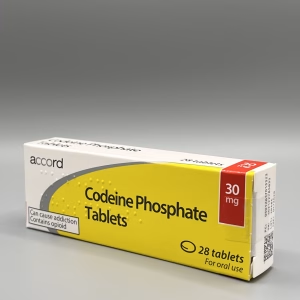
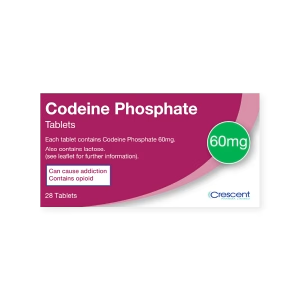
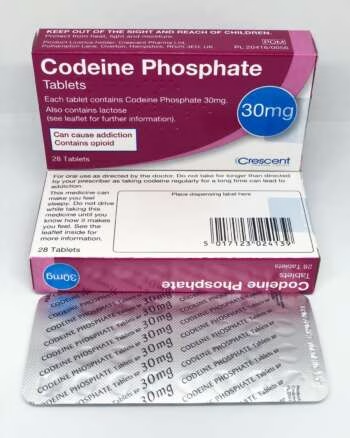
Codeine Phosphate 30mg is an oral opioid tablet containing 30mg of codeine phosphate. It is used in selected patients for acute moderate pain that has not been adequately relieved by simpler painkillers such as paracetamol or ibuprofen alone. The displayed Crescent pack contains 28 tablets and carries an opioid-dependence warning. Codeine can cause constipation, nausea, drowsiness, dizziness, impaired concentration, breathing suppression, tolerance and dependence. It is a prescription-only controlled medicine and must be used only for the patient, condition and duration authorised by a qualified prescriber.
Codeine Phosphate 30mg Tablets – Crescent UK
Codeine Phosphate 30mg is a prescription opioid medicine used in selected patients for acute moderate pain that has not been adequately relieved by non-opioid painkillers such as paracetamol or ibuprofen alone. The live product image shows a Crescent-branded 28-tablet pack labelled Codeine Phosphate Tablets 30mg, while the current page displays five quantity options and a price range of £49.70 to £1,450.75. Codeine Phosphate 30mg must not be treated as an ordinary pain product because it can cause drowsiness, constipation, breathing suppression, tolerance, dependence, opioid use disorder and overdose.
In the UK, codeine is a prescription-only controlled opioid. Codeine is listed as a Class B controlled drug, while certain oral preparations that meet the relevant strength and formulation criteria fall within Schedule 5. A qualified prescriber and pharmacist should verify the exact legal and dispensing requirements before supply.
What Is Codeine Phosphate 30mg?
Codeine Phosphate 30mg contains 30mg of codeine phosphate in each oral tablet. Codeine is a weak opioid analgesic that is converted partly into morphine in the body. This conversion contributes to pain relief but also creates variability between patients, meaning the same dose can have weaker, stronger or less predictable effects in different people.
The Crescent pack displayed on the live page contains 28 tablets and includes an opioid-dependence warning. Crescent Pharma lists this strength among its UK generic products, but the website should still verify the exact pack, batch, product licence, expiry date and lawful pharmacy sourcing before publishing commercial claims.
Codeine Phosphate 30mg is not intended for self-diagnosis, recreational use, emotional coping, sleep induction or unrestricted repeat purchasing. The medicine should be used only for the patient, indication, dose and duration authorised by the prescriber.
What Is Codeine Phosphate 30mg Used For?
UK product information lists acute moderate pain that is not considered to be relieved by paracetamol or ibuprofen alone as a recognised use. Some authorised Codeine Phosphate 30mg products also list dry or painful cough and diarrhoea, but the appropriate indication depends on the exact licensed product and clinical circumstances.
Examples of pain that may require assessment include:
- Pain after an operation or injury
- Acute musculoskeletal pain
- Dental pain
- Pain associated with a short-term medical condition
- Other moderate pain where simpler analgesics have not provided sufficient relief
This opioid should not automatically be selected for every headache, backache or chronic pain problem. Long-term pain may require investigation, physiotherapy, non-opioid treatment, psychological support, specialist pain care or management of an underlying condition.
Read the website’s guide explaining what codeine phosphate is for broader educational information.
How Does Codeine Work?
Codeine acts at opioid receptors in the brain and spinal cord. Its pain-relieving effect depends partly on conversion to morphine by the CYP2D6 enzyme. Some people convert codeine slowly and may receive little benefit, while ultra-rapid metabolisers may produce morphine more quickly and face a greater risk of opioid toxicity.
Codeine can reduce pain perception, but it can also slow breathing, reduce alertness and slow movement through the digestive system. These effects explain common problems such as drowsiness and constipation and serious risks such as respiratory depression.
A person should not take extra tablets simply because the first dose appears ineffective. Poor pain control may require reassessment rather than dose escalation.
Why Is a Clinical Pain Assessment Required?
A clinical assessment helps determine whether an opioid is necessary and whether Codeine Phosphate 30mg is suitable for the individual patient.
The prescriber may review:
- The location, severity and cause of pain
- How long the pain has continued
- Treatments already attempted
- Current prescription and pharmacy medicines
- Breathing conditions and sleep apnoea
- Liver and kidney function
- Bowel conditions
- Pregnancy or breastfeeding
- Previous opioid use
- Alcohol or substance-use history
- Mental-health history
- Signs of tolerance, dependence or drug-seeking behaviour
Completing a questionnaire does not guarantee this medicine, a particular pack quantity or a repeat prescription. The clinician may recommend non-opioid treatment, a smaller quantity, face-to-face assessment, urgent care or another treatment.
Short-Term Use and Treatment Goals
Before starting treatment, the prescriber and patient should agree on the treatment goal, intended duration and stopping plan. UK product information advises using codeine at the lowest effective dose for the shortest possible time.
For acute pain, treatment may be limited to a few days. Continuing pain after a short course does not automatically mean that more opioid medicine is needed. It may indicate that the diagnosis, treatment plan or underlying condition requires review.
Repeated codeine use can lead to tolerance, physical dependence and opioid use disorder. The need for continued treatment should therefore be reviewed regularly.
Codeine Phosphate 30mg Compared With Other Pain Options
| Treatment option | Typical role | Main consideration |
|---|---|---|
| Paracetamol | Mild to moderate pain | Must remain within safe total daily limits |
| Ibuprofen or another NSAID | Inflammatory or musculoskeletal pain | Not suitable for every stomach, kidney or cardiovascular condition |
| Codeine Phosphate 30mg | Selected acute moderate pain when simpler analgesics are insufficient | Sedation, constipation, dependence and respiratory depression |
| Co-codamol | Codeine combined with paracetamol | Risk of accidental paracetamol overdose if products are duplicated |
| Physiotherapy | Injury, movement and musculoskeletal rehabilitation | Requires assessment and active participation |
| Specialist pain care | Complex or persistent pain | May involve multiple non-opioid approaches |
This medicine should not be chosen only because it is perceived as stronger. The safest treatment depends on the cause of pain and the patient’s individual risk factors.
Common Side Effects
Common or important side effects can include:
- Constipation
- Nausea or vomiting
- Drowsiness
- Dizziness
- Dry mouth
- Headache
- Reduced concentration
- Confusion
- Abdominal discomfort
- Difficulty passing urine
- Blurred or double vision
Constipation is common because opioids slow the digestive system. Patients may need advice about fluids, diet, activity or suitable bowel treatment depending on their medical circumstances.
Codeine can also affect balance and alertness. Older adults, frail patients and people taking other sedatives may have a greater risk of falls and injury.
Serious Side Effects and Overdose
Seek urgent medical assistance if someone taking Codeine Phosphate 30mg develops:
- Slow, shallow or difficult breathing
- Extreme drowsiness
- Inability to wake
- Blue or grey lips
- Collapse
- Loss of consciousness
- Pinpoint pupils with reduced responsiveness
- Severe confusion
- A seizure
- A serious allergic reaction
- Suspected overdose
An opioid overdose can cause coma and respiratory depression. Alcohol and other sedating medicines can make an overdose more severe. Emergency services should be contacted immediately when breathing is abnormal or the person cannot be awakened.
Codeine, Alcohol and Sedating Medicines
Alcohol should be avoided during treatment because it can increase sedation, low blood pressure and respiratory depression.
Extra caution is required with:
- Diazepam, clonazepam, alprazolam and other benzodiazepines
- Zopiclone, zolpidem and other sleeping medicines
- Pregabalin and gabapentin
- Sedating antihistamines
- Antipsychotic medicines
- Certain antidepressants
- Anaesthetic medicines
- Other opioid painkillers
Combining codeine with pregabalin or gabapentin may cause profound sedation, low blood pressure, respiratory depression, coma or death. The prescriber must receive a complete medicine list, including medicines taken only occasionally.
Taking Codeine With Other Painkillers
Codeine may sometimes be prescribed with paracetamol or another non-opioid painkiller, but patients must avoid accidentally duplicating ingredients.
Co-codamol already contains codeine and paracetamol. Taking separate codeine or extra paracetamol without professional advice can result in excessive opioid exposure or paracetamol overdose.
Do not combine codeine with dihydrocodeine, tramadol, tapentadol, morphine, oxycodone or another opioid unless a qualified clinician has specifically reviewed and authorised the combination.
Read the guide comparing tramadol and codeine phosphate for general educational information.
Dependence, Tolerance and Opioid Use Disorder
Tolerance means that the same amount of Codeine Phosphate 30mg provides less effect over time. Physical dependence means the body has adapted to codeine and withdrawal symptoms may occur if treatment is stopped suddenly.
Opioid use disorder may involve:
- Cravings
- Loss of control over use
- Taking more than prescribed
- Continuing despite harm
- Using the medicine for relaxation or emotional relief
- Repeated early supply requests
- Visiting multiple providers
- Feeling unable to function without the medicine
Repeated Codeine Phosphate 30mg use can cause dependence even at therapeutic doses. A higher dose and longer duration increase the risk, although individual vulnerability also matters.
Withdrawal Symptoms
Possible withdrawal symptoms include:
- Restlessness
- Anxiety or irritability
- Sweating and chills
- Runny nose and watery eyes
- Yawning
- Muscle aches
- Tremor
- Insomnia
- Abdominal cramps
- Nausea, vomiting or diarrhoea
- Increased heart rate or blood pressure
A person who has used codeine regularly should not stop suddenly without advice. A prescriber may recommend gradual dose reduction over a period suited to the amount used and duration of treatment.
Who May Not Be Suitable?
Codeine Phosphate 30mg may be unsuitable or require specialist caution for people with:
- Acute respiratory depression
- Severe breathing disease
- An acute asthma attack
- Obstructive airways disease
- Severe liver problems
- Head injury or raised intracranial pressure
- Paralytic ileus or certain bowel conditions
- Acute alcohol intoxication
- Previous opioid allergy
- A history of opioid misuse
- Significant frailty
- Pregnancy or breastfeeding
Codeine should not be used in children under 12 because conversion to morphine is variable and can cause unpredictable opioid toxicity. It is also contraindicated after tonsil or adenoid surgery in patients under 18 with obstructive sleep apnoea and in known CYP2D6 ultra-rapid metabolisers.
Pregnancy and Breastfeeding
Pregnancy requires individual medical review. Regular opioid use during pregnancy can lead to dependence in the developing baby and withdrawal symptoms after birth. Use around labour can also suppress the newborn’s breathing.
Codeine should not be used during breastfeeding because codeine and morphine can pass into breast milk and may cause respiratory depression in the infant.
Patients who are pregnant, planning pregnancy or breastfeeding should tell the prescriber before taking any opioid.
Driving and Daily Safety
The medicine can cause sedation, dizziness, blurred vision and slower reactions. Do not drive, cycle, operate machinery or perform hazardous work until the individual knows how the medicine affects them.
A prescription does not make it lawful to drive while impaired. Alcohol and other sedatives increase the risk further.
Safe Storage and Disposal
Store Codeine Phosphate 30mg:
- In the original labelled packaging
- In a secure, dry location
- Out of sight and reach of children
- Away from visitors and household members
- Away from anyone with a history of opioid misuse
Never share, sell or give Codeine Phosphate 30mg to another person. Return unwanted or expired tablets to a pharmacy rather than putting them in household waste or wastewater.
How a Responsible Online Assessment Should Work
A responsible opioid service should focus on clinical need rather than unrestricted product selection. UK rules do not allow prescription-only medicines to be advertised directly to members of the public.
Step 1: Complete a Confidential Pain Assessment
Provide accurate information about pain, medical history, current medicines, alcohol use, previous opioid treatment and dependence risk.
Step 2: Receive an Independent Prescriber Review
A qualified clinician decides whether Codeine Phosphate 30mg is medically appropriate. The requested medicine, strength and quantity are not guaranteed.
Step 3: Receive the Treatment Decision
The clinician may approve a short course, recommend a non-opioid option, request more information, refer for face-to-face care or decline treatment.
Step 4: Complete Pharmacy Checks
The pharmacy verifies the prescription, exact Crescent product, interactions, quantity, stock, batch and lawful supply route.
Step 5: Dispatch Only After Approval
Dispatch should begin only after a valid prescription and all pharmacy checks are complete. Review the delivery information and frequently asked questions before submitting an assessment.
Frequently Asked Questions
What is Codeine Phosphate 30mg used for?
Codeine Phosphate 30mg may be prescribed for acute moderate pain that has not been adequately relieved by simpler painkillers. Some authorised products also list dry or painful cough and diarrhoea.
Is Codeine Phosphate 30mg available without a prescription?
No. Codeine Phosphate 30mg tablets are prescription-only medicines in the UK and require a valid prescription and lawful pharmacy process.
Is codeine a controlled drug in the UK?
Yes. Codeine is a Class B controlled drug. A qualifying oral preparation containing a limited amount per dosage unit can fall within Schedule 5.
Can Codeine Phosphate 30mg cause addiction?
Yes. Repeated use can cause tolerance, dependence and opioid use disorder, including when it is used at therapeutic doses.
Can alcohol be taken with codeine?
No. Alcohol can increase sedation, low blood pressure, breathing suppression, unconsciousness and overdose risk.
Can codeine be combined with sleeping tablets or benzodiazepines?
Only after specific clinical review. Combining opioids with sedatives can cause profound drowsiness and potentially fatal respiratory depression.
Can Codeine Phosphate 30mg be taken with co-codamol?
Co-codamol already contains codeine and paracetamol. Combining it with additional codeine can cause excessive opioid exposure and must not be done without professional advice.
Can codeine be used during breastfeeding?
No. Codeine is contraindicated during breastfeeding because morphine exposure through breast milk can cause serious breathing problems in the infant.
Can regular codeine treatment be stopped suddenly?
Regular use should not normally be stopped suddenly because withdrawal symptoms can occur. A gradual reduction may be required.
Is a Codeine Phosphate 30mg prescription guaranteed?
No. A prescriber may recommend another treatment, a smaller quantity, further assessment or no opioid medicine.
Final Thoughts
Codeine Phosphate 30mg is a prescription opioid that may help selected patients with acute moderate pain when simpler painkillers are insufficient. Its potential benefit must be balanced against constipation, drowsiness, respiratory depression, dependence, withdrawal and overdose.
The live page should remove fixed dosing instructions, the external competitor link, unrestricted quantity selection, worldwide-shipping claims and unrelated ED recommendations. The Crescent pack, product licence, batch, stock and lawful supply route should be verified before public commercial presentation.
Codeine Phosphate 30mg should be supplied only after an individual clinical assessment, valid prescription and pharmacy checks. Patients should use it exactly as prescribed, avoid alcohol and unapproved sedatives, and seek urgent help for slow breathing, collapse or difficulty waking.
Additional information
| Quantity | "28 Pills", "56 Pills", "84 Pills", "112 Pills", "224 Pills" |
|---|