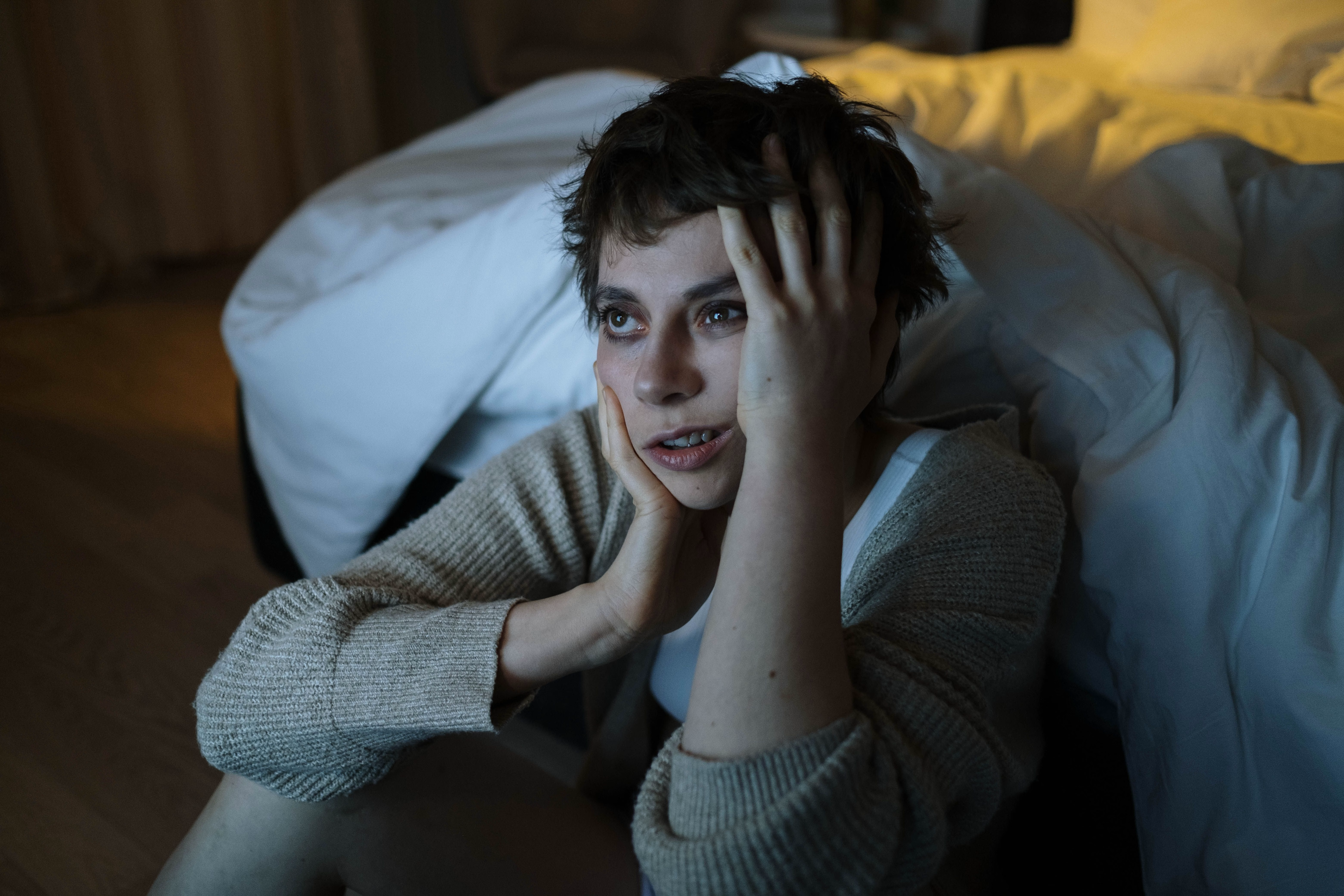
Why Does Anxiety Increase at Night?
Quick Answer
Anxiety can feel stronger at night because daytime distractions disappear, unresolved worries become more noticeable, tiredness reduces coping capacity and the bed may become linked with fear of not sleeping. Caffeine, alcohol, nicotine, pain, menopause, reflux, medicines, sleep apnoea and other conditions may also cause or intensify night-time symptoms. There is no single “night anxiety hormone” explanation that fits everyone.
Night-time anxiety is not itself one formal diagnosis. It may describe evening worry, sleep anxiety, a nocturnal panic attack, trauma-related hyperarousal, generalised anxiety, depression, a physical condition or a medicine/substance effect. The pattern, associated symptoms and daytime impact determine the next step.
Key Takeaways
- Quiet at night can reveal worries that were masked by daytime activity.
- Fear of not sleeping can turn the bed into a cue for alertness and maintain insomnia.
- Nocturnal panic can wake a person suddenly, but breathing, heart and reflux conditions can feel similar.
- Alcohol and extra sedatives are unsafe ways to manage night anxiety.
- Persistent symptoms, physical warning signs or safety concerns need professional assessment.
What Does Night-Time Anxiety Feel Like?
Some people become worried as bedtime approaches. Others feel calm until the lights go out, wake with a surge of fear, or experience anxiety mainly in the early morning. Thoughts may focus on work, health, relationships, past events, tomorrow’s performance or the consequences of not sleeping. Physical sensations may include a racing heart, tight muscles, sweating, trembling, nausea, dizziness or shortness of breath.
Pattern | Typical description | Important distinction |
Bedtime worry | Racing thoughts and tension while trying to fall asleep | May be general worry or learned sleep anxiety. |
Sleep anxiety | Fear about whether sleep will happen and what poor sleep will do tomorrow | The monitoring and effort can maintain wakefulness. |
Nocturnal panic | Sudden awakening with intense fear and physical symptoms | Needs differentiation from sleep apnoea, reflux, seizures or heart symptoms. |
Trauma-related arousal | Feeling unsafe, nightmares, flashbacks or scanning for danger | Trauma-informed assessment is more suitable than generic sleep tips alone. |
Early-morning anxiety | Waking early with dread, low mood or physical tension | May occur with anxiety, depression, alcohol withdrawal or other causes. |
Why Does Anxiety Get Worse at Night?
Fewer distractions and more mental space
During the day, work, conversations, travel and tasks compete for attention. At night, external demands reduce, making unresolved worries more noticeable. This does not mean the worries are imaginary; it means the attention available to them has changed. A planned “worry period” earlier in the evening can help separate problem-solving from bedtime rumination.
Fatigue reduces emotional control
Tiredness can make uncertainty feel harder to tolerate and ordinary sensations more threatening. After a poor night, the person may enter the next evening already worried about repeating it. The resulting loop is maintained by anticipation, not only by the original stressor.
The bed becomes associated with alertness
If the bed repeatedly becomes a place for worrying, scrolling, working or trying hard to sleep, the brain may learn wakefulness there. People sometimes feel sleepy on the sofa and immediately alert in bed. CBT-I uses stimulus control and a consistent schedule to rebuild the bed–sleep association.
Body-clock and light changes
The circadian system changes alertness across the day, but simplistic claims that cortisol “spikes at night” and directly causes all anxiety are misleading. Light exposure, shift work, jet lag, seasonal patterns and irregular schedules can affect sleep timing and mood. Seasonal affective disorder is a specific form of depression and should not be used as a label for every winter evening worry.
Substances and medicines
Caffeine can remain active for hours. Nicotine is stimulating. Alcohol may shorten sleep onset but commonly fragments later sleep and can contribute to early-morning anxiety. Stimulants, decongestants, corticosteroids and changes to some psychiatric or sedating medicines may matter. Do not deliberately mix alcohol, opioids or extra sedatives to force sleep, and do not stop regular medicine abruptly.
Physical and sleep conditions
Reflux, asthma, thyroid problems, menopause symptoms, low blood sugar, chronic pain, restless legs and obstructive sleep apnoea may worsen at night or become more noticeable when lying down. Loud snoring, choking, witnessed breathing pauses and daytime sleepiness point towards sleep-apnoea assessment. Chest pain, fainting or severe breathlessness needs urgent medical attention.
Possible driver | Clues | Best next question |
Daytime stress carried into night | Worry themes match work, money, relationships or health | Can practical action be scheduled tomorrow and worry contained tonight? |
Conditioned insomnia | Sleepiness outside bed but alertness, clock-watching and frustration in bed | Would CBT-I assessment help break the learned cycle? |
Nocturnal panic | Abrupt intense fear with palpitations, sweating or breathlessness | Have physical and sleep causes been considered? |
Substance or medicine effect | Pattern follows caffeine, alcohol, missed doses or a medicine change | Can a pharmacist or prescriber review exact timing and interactions? |
Sleep/physical disorder | Snoring, gasping, pain, reflux, hot flushes or leg sensations | Does this require GP assessment or a sleep referral? |
What Can I Do Tonight?
Check safety first
Call 999 for severe breathing difficulty, collapse, a seizure, chest pain with concerning features, immediate self-harm risk or inability to stay safe. If symptoms are urgent but not immediately life-threatening, use NHS 111 or local urgent mental-health support. Do not assume a first or unusually severe episode is “just anxiety”.
Stop fighting sleep
Turn the clock away and reduce bright light. If lying in bed is increasing distress, move to a safe, quiet place and do a low-stimulation activity until sleepiness returns. The aim is to lower arousal, not force unconsciousness. Return to bed when sleepy and keep the usual wake time as reasonably as possible.
Settle the body
Try slower breathing with a comfortable longer exhale, progressive muscle relaxation or grounding through the senses. Stop if a technique makes dizziness or panic worse. Avoid repeated symptom searches, work messages and upsetting content. A trusted person can provide brief reassurance without turning the whole night into repeated checking.
Park worries for tomorrow
Write the worry in one sentence, identify whether any safe action is possible tomorrow and set a time to revisit it. If no action is possible now, note that explicitly. This is not pretending the problem is solved; it prevents bedtime from becoming an endless planning session.
Do tonight | Avoid tonight | Reason |
Use low light and a quiet activity if wide awake | Stay in bed for hours fighting sleep | Reduces the learned link between bed and frustration. |
Use one simple calming technique | Cycle through many techniques as tests | Performance pressure can increase alertness. |
Write one next-day action | Solve every life problem in bed | Contains worry without dismissing it. |
Ask for appropriate help | Use alcohol or extra sedatives | Substances can worsen sleep and create serious interactions. |
Keep tomorrow’s wake time reasonably stable | Sleep very late to compensate | A stable wake time supports circadian timing and sleep pressure. |
How to Reduce Night Anxiety Over Time
Move problem-solving earlier
Choose a short daily period before the wind-down to review worries, practical tasks and tomorrow’s priorities. This creates a reliable place for concerns outside bed. Pair it with a wind-down routine that is realistic rather than perfect.
Track patterns without obsessing
For one to two weeks, record sleep timing, major worries, caffeine, alcohol, medicines, exercise, menstrual or menopause symptoms and notable physical signs. Look for repeatable patterns. Consumer sleep scores are not diagnoses and may increase anxiety when checked repeatedly.
Use CBT-I and anxiety treatment when needed
CBT-I is recommended for persistent insomnia and addresses conditioned arousal, sleep scheduling and beliefs about sleep. Anxiety treatment may include guided self-help or CBT. Adults in England can often self-refer to NHS Talking Therapies. Trauma, panic, OCD or depression may need a more specific plan than generic relaxation.
Review medicines and physical causes
Bring a complete medicine and supplement list to a pharmacist or GP. Include the exact time of caffeine, alcohol and nicotine. Ask about snoring, breathing pauses, reflux, pain, thyroid symptoms, menopause and restless legs where relevant. A strong review searches for treatable causes instead of simply adding a sedative.
When Should I Speak to a Professional?
Arrange a GP or therapy assessment if night anxiety persists for several weeks, repeatedly disrupts sleep, causes avoidance, affects work or relationships, or leads to increasing reliance on alcohol or medicines. Seek help sooner for rapidly worsening symptoms, possible mania, severe withdrawal, trauma symptoms, marked depression or physical warning signs. Immediate danger requires emergency help.
Nocturnal Panic, Nightmares and Early-Morning Anxiety
Nocturnal panic
A nocturnal panic attack can wake a person abruptly with intense fear, breathlessness, sweating, trembling, chest discomfort or a sense of losing control. It may occur without a remembered nightmare. Because similar symptoms can occur with sleep apnoea, reflux, asthma, seizures, low blood sugar or heart problems, a first, severe or changing episode should not be self-diagnosed from an online checklist.
Nightmares and trauma-related sleep
Nightmares may follow stress, trauma, medicines, alcohol or withdrawal. A person may become afraid to sleep and delay bedtime, which adds sleep deprivation to the original problem. Trauma-informed care focuses on safety and the underlying condition; forcing detailed retelling at night or using alcohol to suppress dreams can worsen distress. Recurrent nightmares and flashbacks deserve professional assessment.
Early-morning anxiety
Some people fall asleep but wake very early with dread, physical tension or repetitive thoughts. Possible contributors include depression, generalised anxiety, alcohol-related sleep fragmentation, pain, menopause, medicines and a body clock that has shifted earlier. Record the timing and associated symptoms instead of assuming a single hormone explanation.
Build a Relapse-Prevention Plan
After symptoms improve, keep the parts of the routine that were genuinely useful: a stable wake time, earlier problem-solving, daytime light, limits on late caffeine and a clear response to waking. Identify early signs such as clock-checking, cancelling daytime activity or using more alcohol. Decide in advance when to restart a sleep diary, contact a therapist or ask for a medicine review.
A good plan also allows an occasional poor night without treating it as catastrophe. The aim is confidence that sleep can recover, not perfect control. If a setback brings new physical symptoms, severe mood change or safety concerns, reassess rather than assuming it is the old pattern returning.
Common Myths About Anxiety at Night
Myth | More accurate explanation |
“Night anxiety proves something dangerous is happening.” | Anxiety can feel intense without danger, but new physical warning signs still need appropriate assessment. |
“It is always caused by high cortisol.” | Stress biology matters, but attention, learning, sleep loss, substances, health conditions and environment also contribute. |
“Staying in bed longer will force sleep.” | Long frustrated periods awake can strengthen the bed–alertness link. CBT-I uses a different approach. |
“Alcohol is a natural sleep treatment.” | Alcohol may sedate initially but fragments later sleep, can worsen anxiety and may interact dangerously with medicines. |
“If relaxation fails once, nothing will help.” | Relaxation is one arousal-reduction tool, not a pass/fail cure. Persistent patterns may need CBT-I or anxiety treatment. |
Night-time thoughts also feel more convincing because the person is tired and has fewer sources of perspective. Delay major decisions where safely possible, write down the issue and review it in daylight. This does not dismiss the concern; it changes the conditions under which it is evaluated.
Frequently Asked Questions
Why am I fine all day but anxious at night?
Daytime activity may mask worry; quiet, fatigue and learned bedtime alertness can make it more noticeable.
Is night anxiety a disorder?
It is a descriptive pattern, not one diagnosis. The cause may be anxiety, insomnia, panic, trauma, a physical condition or a substance/medicine effect.
What is a nocturnal panic attack?
It is a sudden panic episode that wakes a person from sleep. A first or unusual event should be assessed because other conditions can feel similar.
Can cortisol cause anxiety at night?
Stress systems influence arousal, but one hormone does not explain every case. Timing, behaviour, health and substances also matter.
Does alcohol calm night anxiety?
It may feel calming briefly but can fragment sleep, worsen later-night anxiety and interact dangerously with sedatives.
Should I take a sleeping pill?
Only use a medicine prescribed or recommended for you after appropriate assessment. Sleeping pills do not treat every cause of night anxiety.
Can menopause worsen night anxiety?
Hot flushes, sleep disruption and hormonal changes may contribute; discuss persistent symptoms with a qualified clinician.
Why do I wake with a racing heart?
Panic is possible, but nightmares, sleep apnoea, reflux, medicines, thyroid disease and heart rhythm problems also need consideration.
What therapy helps?
CBT may help anxiety and CBT-I specifically treats insomnia. Trauma or panic may require tailored therapy.
When is night anxiety an emergency?
Call 999 for immediate danger, severe breathing difficulty, collapse, seizure or inability to keep yourself safe.
Related Guides
For the complete two-way relationship, read Anxiety and Sleep Problems.
For broad wellbeing and support, read Mental Health and How to Manage It.
For ongoing sleep treatment, read Insomnia Treatment in the UK.
Sources
- NHS: Mental health
- NHS: 5 steps to mental wellbeing
- NHS: Anxiety, fear and panic
- NHS: Insomnia
- NHS Every Mind Matters: Sleep
- NHS England: Talking Therapies
- NHS Digital: Adult Psychiatric Morbidity Survey 2023/24
- NICE CKS: Insomnia
- Mind: Sleep and mental health
- Mental Health Foundation: Sleep and mental health
Conclusion
Anxiety often feels stronger at night because attention, fatigue, learned sleep fear and physical factors come together. The most useful response combines safe same-night calming with a daytime plan to assess anxiety, insomnia, substances, medicines and physical conditions. Persistent or dangerous symptoms deserve professional help.
Mental-health symptoms can have several causes and need individual assessment.
Use prescription medicines only as prescribed for you.
Do not start, stop or change a mental-health or sleep medicine without qualified advice.
Call 999 or go to A&E if there is immediate danger or you cannot keep yourself safe.