Health Anxiety Symptoms and Physical Health
Health anxiety symptoms and physical health are closely connected. Many people with health anxiety feel real body symptoms such as chest tightness, dizziness, headaches, stomach discomfort, shortness of breath, muscle tension, and tiredness. These symptoms can feel scary because they may seem like signs of a serious illness.
Health anxiety symptoms and physical health problems can create a cycle. A person notices a body sensation, becomes worried, checks the symptom again and again, searches online, and then feels even more anxious. The more attention they give to the symptom, the stronger it may feel.
This guide explains health anxiety symptoms and physical health, why anxiety can cause real physical sensations, how body checking works, why symptoms often feel worse at night, and when to seek medical advice.
Can Health Anxiety Cause Physical Symptoms?
Yes, health anxiety can cause real physical symptoms. Anxiety activates the body’s stress response, also called the fight-or-flight response. This can affect the heart, breathing, muscles, digestion, sleep, and nervous system.
Health anxiety symptoms and physical health should be understood carefully. Anxiety can cause symptoms, but new, severe, or unusual symptoms should still be checked by a healthcare professional.
Health Anxiety vs Physical Illness: Comparison Table
| Feature | Health Anxiety | Physical Illness |
|---|---|---|
| Main pattern | Fear of serious illness even after reassurance | Symptoms may come from a medical condition |
| Symptoms | Can move around the body | Often follow a more consistent pattern |
| Triggers | Stress, body checking, online searching, reassurance seeking | Infection, injury, disease, inflammation, or other medical causes |
| Medical tests | Often normal or reassuring | May show abnormal results, depending on the condition |
| Distraction effect | Symptoms may reduce when busy or distracted | Symptoms may continue even during distraction |
| Reassurance | Helps for a short time, then worry returns | Reassurance may help if the cause is clear |
| Body checking | Very common | Less common unless advised medically |
| Online symptom searching | Often increases fear | May not be the main driver |
| Sleep impact | Worry often becomes worse at night | Sleep may be affected depending on the illness |
| Best next step | Reduce checking, manage anxiety, speak to a professional | Medical assessment, diagnosis, and treatment if needed |
What Is Health Anxiety?
Health anxiety means worrying too much about having or developing a serious illness. A person may become highly focused on body sensations and may believe normal or anxiety-related symptoms are dangerous.
Common health anxiety behaviours include:
Searching symptoms online
Checking pulse, breathing, skin, or pain
Asking others for reassurance
Visiting doctors repeatedly
Feeling calm after reassurance, then worried again later
Avoiding health information because it causes fear
Thinking minor symptoms mean something serious
Health anxiety symptoms and physical health can become linked when the person starts treating every body sensation like an emergency signal.
Why Do Health Anxiety Symptoms Feel Real?
Health anxiety symptoms feel real because they are real body sensations. The problem is not that the person is “imagining” everything. The problem is that the brain may misread normal or stress-related sensations as dangerous.
For example:
Adrenaline can make the heart beat faster
Muscle tension can cause pain
Fast breathing can cause dizziness
Stress can upset digestion
Poor sleep can increase headaches
Anxiety can make the body feel shaky or weak
Think of your body like a house alarm. If the alarm becomes too sensitive, it may ring even when there is no real danger. Health anxiety works in a similar way. The body alarm becomes too sensitive, so normal feelings start to look scary.
Common Physical Symptoms of Health Anxiety
Health anxiety symptoms and physical health concerns can affect many parts of the body.
Common physical symptoms include:
Chest tightness
Racing heartbeat
Dizziness
Headaches
Muscle tension
Tingling
Numbness
Shortness of breath
Stomach pain
Nausea
Bloating
Sweating
Shaking
Fatigue
Poor sleep
These symptoms can be frightening, but anxiety and stress can affect the body in many ways.
Cardiovascular Symptoms
Many people with health anxiety worry about the heart. They may notice palpitations, chest tightness, or a racing heartbeat.
Common fears include:
“Am I having a heart attack?”
“Is my heart beating wrong?”
“Why is my chest tight?”
“Why can I feel my pulse?”
Anxiety can make the heart beat faster because the body is preparing for danger. However, chest pain should never be ignored if it is severe, new, spreading to the arm or jaw, or linked with fainting, breathlessness, or sweating.
Neurological Symptoms
Health anxiety can also affect the nervous system. A person may feel dizzy, lightheaded, weak, shaky, or tingly.
Common symptoms include:
Dizziness
Tingling hands or feet
Numbness
Head pressure
Headaches
Muscle twitches
Feeling unreal or detached
Poor concentration
If dizziness is a major concern, read this related guide: Can Sleeping Pills Cause Dizziness?
Digestive Symptoms
The brain and gut are closely connected. Stress and anxiety can affect digestion, appetite, and bowel habits.
Health anxiety symptoms and physical health concerns may include:
Stomach pain
Nausea
Acid reflux
Bloating
Diarrhoea
Constipation
Loss of appetite
Churning stomach
A person may then worry that stomach symptoms mean something serious. This worry can increase stress, and stress can make digestion feel worse.
Breathing Symptoms
Anxiety can change breathing patterns. Some people breathe faster or take shallow breaths without noticing.
This may cause:
Shortness of breath
Chest tightness
Feeling unable to take a full breath
Frequent sighing
Dizziness
Tingling around the mouth or fingers
If breathing symptoms happen during sleep with loud snoring, gasping, or morning headaches, read this guide on sleep apnea and sleep paralysis.
What Is Body Scanning Anxiety?
Body scanning anxiety means repeatedly checking the body for signs of illness. The person may scan for pain, lumps, pulse changes, breathing changes, skin marks, stomach feelings, or headaches.
The cycle usually looks like this:
A small body sensation appears
The person checks it
Checking makes the sensation more noticeable
The person becomes more afraid
Anxiety increases the symptom
The person checks again
This is one of the main reasons health anxiety symptoms and physical health fears become stronger over time.
Why Health Anxiety Gets Worse at Night
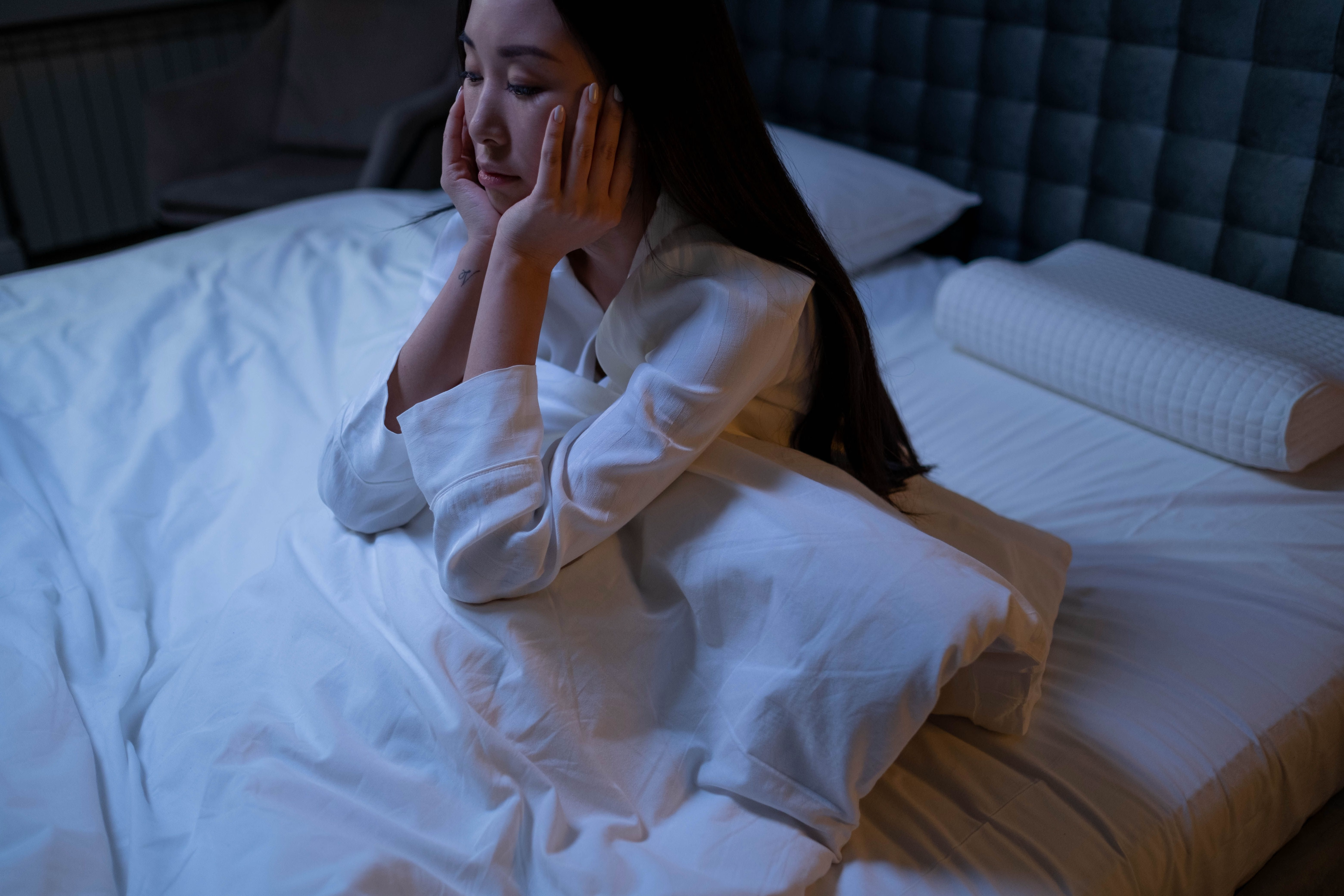
Health anxiety often feels worse at night because the room is quiet and there are fewer distractions. During the day, work, people, phone calls, and tasks keep the mind busy. At night, the brain has more time to focus on body sensations.
Night-time health anxiety may include:
Checking heart rate in bed
Searching symptoms on Google
Feeling chest tightness
Worrying about breathing
Fear of not waking up
Racing thoughts
Trouble sleeping
For more detail, read: Why Does My Anxiety Increase at Night?
Health Anxiety and Sleep Problems
Health anxiety symptoms and physical health worries can disturb sleep. When a person is afraid of body symptoms, the nervous system stays alert. This makes it harder to fall asleep.
Common sleep problems include:
Difficulty falling asleep
Waking up often
Morning anxiety
Racing thoughts
Checking symptoms in bed
Feeling tired during the day
Poor sleep can also make anxiety worse the next day. This creates an anxiety-sleep cycle.
The Health Anxiety and Sleep Cycle
The cycle often works like this:
A person notices a body sensation
They worry it means illness
Anxiety increases stress hormones
Physical symptoms become stronger
Sleep becomes disturbed
Poor sleep increases anxiety
The person checks symptoms again
If sleep problems continue, read: Anxiety and Sleep Problems
Can Sleeping Pills Affect Anxiety Symptoms?
Some people use sleep medicines when anxiety affects sleep. However, sleeping pills do not treat the root cause of health anxiety. They may help short-term sleep in some cases, but they can also cause side effects such as drowsiness, dizziness, headaches, or next-day tiredness.
If you are researching medicine-related symptoms, read: Sleeping Pills and Their Side Effects in the UK
You can also read: Can Sleeping Pills Cause Anxiety?
Can Health Anxiety Cause Headaches?
Yes, health anxiety can contribute to headaches. Stress, muscle tension, poor sleep, dehydration, and constant worry can all increase headache symptoms.
A person may then worry that the headache means something serious. This fear increases stress, and stress may make the headache feel worse.
For more detail, read: Why Do Sleeping Pills Cause Headaches?
Can Health Anxiety Affect Long-Term Physical Health?
Long-term anxiety and stress can affect physical wellbeing. It may contribute to poor sleep, fatigue, muscle pain, digestive issues, headaches, and reduced quality of life.
Health anxiety symptoms and physical health should not be ignored, but the goal is to respond in a balanced way. The body needs care, but constant checking and fear usually make anxiety stronger.
How to Manage Physical Symptoms of Health Anxiety
Reduce Symptom Searching
Searching symptoms online often increases fear. It may show worst-case results that do not match your situation.
Reduce Body Checking
Checking the body again and again trains the brain to stay alert. Try to slowly reduce checking instead of stopping suddenly.
Keep a Symptom Diary
Write down when symptoms appear, what you were thinking, how stressed you felt, and whether symptoms changed when distracted.
Improve Sleep Routine
A regular sleep routine can calm the nervous system. Try to sleep and wake at the same time daily.
Practice Slow Breathing
Slow breathing may help calm the fight-or-flight response. Breathe gently and avoid forcing deep breaths.
Speak to a Professional
If health anxiety affects daily life, work, relationships, or sleep, professional support can help.
Cognitive Behavioural Therapy for Health Anxiety
Cognitive Behavioural Therapy, also called CBT, is commonly used for anxiety-related thought patterns. CBT can help a person understand how thoughts, feelings, body sensations, and behaviours connect.
CBT may help with:
Reducing body checking
Reducing symptom searching
Challenging fear-based thoughts
Managing reassurance seeking
Improving sleep confidence
Responding calmly to body sensations
CBT does not mean symptoms are fake. It helps the person respond to symptoms in a safer and less fearful way.
When Should You Seek Medical Advice?
Speak with a doctor, pharmacist, or NHS 111 if:
Symptoms are new
Symptoms are severe
Symptoms are getting worse
Anxiety affects daily life
Sleep problems continue
You feel unable to stop checking symptoms
You avoid normal life because of health fears
You feel dependent on reassurance
You have low mood or panic symptoms
Seek urgent medical help if you have severe chest pain, fainting, breathing difficulty, weakness on one side, confusion, blue lips, sudden severe headache, or thoughts of self-harm.
Frequently Asked Questions
Can health anxiety cause chest pain?
Yes, anxiety can cause chest tightness or discomfort because stress affects breathing, muscles, and heart rate. However, new, severe, or worrying chest pain should be checked by a healthcare professional.
Why do anxiety symptoms feel real?
Anxiety symptoms feel real because stress hormones affect the body. The heart, muscles, breathing, digestion, and nervous system can all react to anxiety.
Can health anxiety cause dizziness?
Yes, anxiety can cause dizziness through fast breathing, muscle tension, stress, poor sleep, or increased alertness to body sensations.
What is body scanning anxiety?
Body scanning anxiety means constantly checking the body for symptoms. This can make normal sensations feel stronger and more worrying.
Why does health anxiety get worse at night?
Health anxiety often gets worse at night because there are fewer distractions, the room is quiet, and body sensations become more noticeable.
Can anxiety cause physical symptoms every day?
Yes, long-term anxiety and stress can cause regular physical symptoms such as headaches, stomach discomfort, muscle tension, tiredness, and poor sleep.
Can poor sleep make health anxiety worse?
Yes, poor sleep can make the nervous system more sensitive and increase worry, body checking, and physical symptoms.
Does CBT help health anxiety?
CBT can help many people manage health anxiety by reducing checking, challenging fear-based thoughts, and improving how they respond to body sensations.
Conclusion
Health anxiety symptoms and physical health are strongly connected. Anxiety can cause real physical symptoms such as chest tightness, dizziness, stomach problems, headaches, breathing changes, muscle tension, and poor sleep. These symptoms can feel frightening, especially when a person starts checking the body or searching symptoms online.
The safest approach is to take symptoms seriously without falling into constant fear. Reduce symptom searching, reduce body checking, improve sleep, manage stress, and speak with a healthcare professional if symptoms are new, severe, or affecting daily life.