Buy Diazepam 10mg UK Brand | Pack & Prescription Guide
Price range: £60.20 through £590.20
Buy Diazepam 10mg UK Brand
Diazepam belongs to the benzodiazepine medicine group. UK medical information describes uses including short-term treatment of severe anxiety, muscle spasm, selected seizure conditions, symptoms of acute alcohol withdrawal and premedication before certain procedures. The 10mg strength is not automatically the correct dose for any one of these conditions. A qualified prescriber must decide the indication, dose, timing and treatment length after assessing the individual.
Diazepam 10mg UK Brand product summary
- Active ingredient: Diazepam
- Stated strength: 10mg per tablet
- Listing label: UK Brand—verify the real product name against the physical pack
- Medicine class: Benzodiazepine
- UK status: Prescription-only medicine and controlled drug
- Price, quantity and stock: Check the live product fields above
Verify what “UK Brand” actually means
“UK Brand” does not identify a licensed medicine by itself. A UK-supplied Diazepam tablet may be a generic product carrying the name of its manufacturer or marketing-authorisation holder. Valium, Teva, Bensedin and Elikem are separate product or brand searches and must not be treated as automatic synonyms. This page should remain separate only when the supplied stock has a stable, verifiable identity that is different from the site’s other Diazepam 10mg listings.
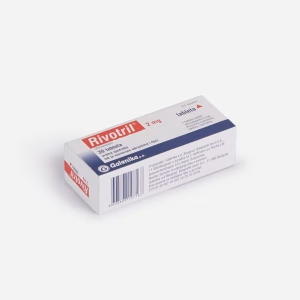
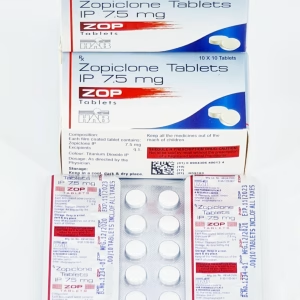
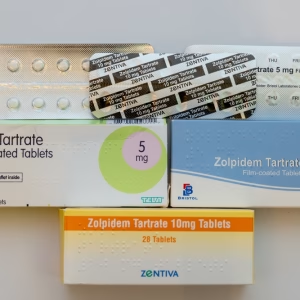
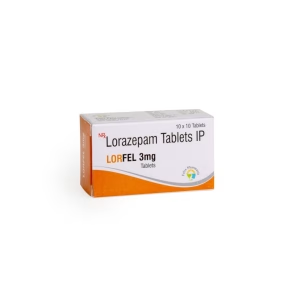
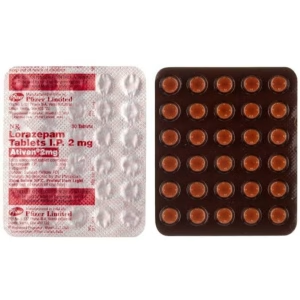
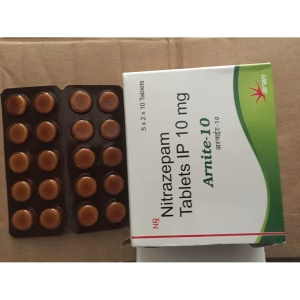
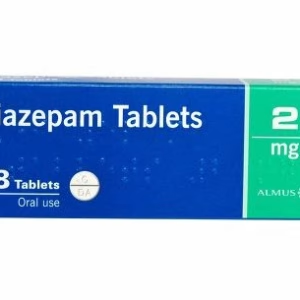
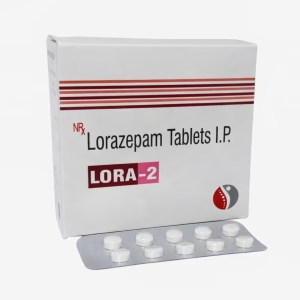
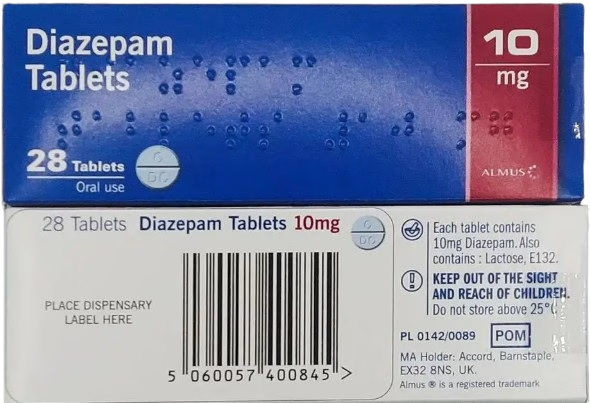
The gallery should provide readable photographs of the current outer box and blister. Compare the product name, active ingredient, 10mg strength, manufacturer or marketing-authorisation holder, pack quantity, batch number and expiry date. The title, photographs, attributes, short description and structured data must all describe the same product. If stock changes, update every field instead of leaving an older pack image or manufacturer claim on the page.
Tablet colour, shape or an imprint alone is not enough to prove identity. Counterfeit sedatives can imitate familiar designs, while legitimate manufacturers may use different appearances. Do not publish “UK-manufactured,” “MHRA approved,” “genuine UK brand” or a specific licence number unless records and the exact supplied packaging support the statement. The existence of a licensed UK Diazepam 10mg presentation does not prove that this listing supplies that medicine.
Live WooCommerce fields should control the price, quantity and availability. Avoid placing permanent prices or fixed stock claims in the article because they can become outdated. Quantity options must state whether they represent one original pack or several packs. If the product becomes unavailable, disable purchase controls and use an honest availability or alternatives message rather than keeping an order CTA active.
What Diazepam 10mg may be prescribed for
Diazepam strengthens the effect of gamma-aminobutyric acid, commonly shortened to GABA. This chemical messenger reduces excessive activity in the brain and nervous system. The action can produce calming, muscle-relaxing, anticonvulsant and sedative effects. It can also reduce alertness, coordination, memory and reaction speed, which is why assessment and careful directions are essential.
For anxiety, benzodiazepines are generally reserved for severe, disabling or extremely distressing symptoms and short treatment periods. Everyday worry, examination stress or a temporary difficult week does not automatically make Diazepam suitable. A clinical review should consider symptom severity, duration, impact, previous treatment, physical health, mental health and whether talking therapy or a different medicine would be safer.
Diazepam may be used for painful muscle spasm or spasticity in selected patients. It may support treatment of particular seizure disorders, but it is not a universal epilepsy medicine. Acute alcohol withdrawal can require Diazepam under medical supervision because withdrawal may become dangerous and dosing depends on clinical signs. Premedication before a procedure follows another plan. Customers must never copy the dose used for a different indication or another person.
Diazepam can cause sleepiness, but that does not make UK Brand Diazepam 10mg an ordinary sleeping pill. Persistent insomnia can have many causes, including anxiety, pain, sleep apnoea, alcohol, depression, shift work and other medicines. The underlying cause should be assessed. The guide to anxiety and sleep problems can support better understanding but cannot diagnose a condition or authorise treatment.
Understanding the 10mg strength
A 10mg tablet contains twice the Diazepam amount of a 5mg tablet and five times the amount of a 2mg tablet. That arithmetic does not create a dosing recommendation. The prescribed total depends on the condition, age, health, other medicines, previous exposure and individual response. A higher strength is not “better,” faster or appropriate simply because symptoms feel severe.
Older and frail adults can be especially sensitive to sedation, confusion, falls and prolonged effects. People with liver disease, breathing problems or reduced mobility may also require a lower dose or another approach. Diazepam and its active metabolites may remain in the body for a long time. Taking more because the first dose seems slow can create accumulation and unexpected impairment later.
Take the medicine only as stated on the prescription label and leaflet. Do not split a tablet unless the exact product is designed for splitting and the prescriber has directed it. Do not combine smaller tablets to create 10mg, double a forgotten dose, take an extra tablet during a stressful event or extend treatment with leftovers without advice. If the prescribed plan is not helping, request a clinical review.
Prescription and suitability assessment
Anyone trying to buy diazepam 10mg UK brand should expect a real prescription decision, not automatic approval. The assessment should ask about the symptoms being treated, how long they have lasted, diagnoses, previous treatments, allergies, pregnancy or breastfeeding, all current medicines, alcohol or recreational drugs and relevant physical and mental-health history. Honest answers allow the reviewer to identify contraindications and interactions.
Diazepam may be unsuitable for people with severe breathing difficulty, sleep apnoea, severe liver disease, myasthenia gravis or an allergy to Diazepam or other benzodiazepines. Extra caution may be needed where there is depression, a personality disorder, glaucoma, kidney or liver problems, chronic breathing disease, falls risk, epilepsy or a history of alcohol or drug misuse. The current patient leaflet and individual prescriber’s advice take priority over a general product-page summary.
The website should clearly identify who performs the clinical assessment, how customers can contact the service and what happens when treatment is unsuitable. Selecting a quantity and completing payment cannot replace prescribing. Avoid language such as “guaranteed acceptance,” “no prescription needed” or “instant approval,” because these claims undermine both safety and trust.
Does the 10mg product match your prescription?
Check the prescribed ingredient, strength and named product against the live listing. Ask about any difference in branding, manufacturer, pack size or availability before paying for or taking the medicine.
Alcohol, opioids and medicine interactions
Alcohol can greatly increase sleepiness, poor coordination, memory problems and breathing risk from Diazepam. Avoid alcohol during treatment. Diazepam should not be used to offset stimulants or to self-manage alcohol withdrawal. Medically supervised withdrawal follows an individual plan because both withdrawal and incorrect sedative use can be dangerous.
Combining Diazepam with opioids can cause profound sedation, respiratory depression, coma and death. Opioids include some strong pain medicines and certain cough preparations. When a prescriber considers the combination necessary, dose, duration and monitoring require special care. Customers must disclose prescribed medicines, over-the-counter products and substances obtained from other sources.
Other medicines can intensify drowsiness or change Diazepam levels. Examples include some sleeping medicines, sedating antihistamines, antidepressants, antipsychotics, anticonvulsants, anaesthetics, muscle relaxants, antifungals and medicines that affect liver enzymes. Herbal and complementary products also belong in the medication history. A complete professional interaction review is safer than relying on a short online list.
Drowsiness, driving and urgent warning signs
Sleepiness, fatigue, muscle weakness, poor coordination and reduced alertness are known effects. Some people experience dizziness, confusion, memory difficulty, tremor, headache or mood and behaviour changes. These effects can increase falls, driving collisions and workplace mistakes, especially when treatment begins, the dose changes or another sedative is added.
Do not drive, cycle, operate machinery or perform hazardous work if sleepy, dizzy, weak, confused or unable to concentrate. UK drug-driving rules may provide a limited medical defence when medicine is taken as prescribed, but this does not permit impaired driving. Keep evidence of the prescription, follow the directions and never drive when affected.
Rare paradoxical reactions can include agitation, aggression, irritability, restlessness, nightmares, hallucinations or unusual behaviour. Seek prompt medical advice if these occur. Severe breathing difficulty, extreme drowsiness, collapse, loss of consciousness, a serious allergic reaction or suspected overdose needs urgent medical help. Do not wait for an online order service to respond in an emergency.
Dependence, tolerance and withdrawal
Diazepam can cause physical and psychological dependence even when prescribed. Risk tends to increase with higher doses, longer treatment and previous substance misuse, but no one should be told that short-term use is entirely risk-free. Tolerance may develop, making some effects feel weaker. Increasing the dose without review increases harm and does not resolve the original condition.
Suddenly stopping after regular use may cause anxiety, agitation, sleep disturbance, sweating, headache, muscle pain and sensitivity to light or sound. Severe withdrawal can involve confusion or seizures. Rebound symptoms may temporarily feel worse than the original problem. A clinician may advise a gradual reduction based on the dose, treatment duration and individual response.
Do not publish a universal taper schedule because safe reduction is personal. Someone who has used more than prescribed, taken Diazepam for longer than planned or obtained it from several sources should explain this honestly to a healthcare professional. The purpose of disclosure is to reduce risk and arrange appropriate support.
Diazepam 2mg vs 5mg vs 10mg
| Product page | Strength | Correct search intent | Important boundary |
|---|---|---|---|
| Diazepam 2mg | Lower strength | 2mg-specific product and assessment information | Not automatically safer or suitable |
| Diazepam 5mg | Middle strength | Manufacturer-neutral 5mg searches | Separate from named brands |
| Diazepam 10mg UK Brand | Higher tablet strength | 10mg plus verified UK pack identity | This page; actual product must match the pack |
The Diazepam 2mg information and Diazepam 5mg product page should answer their own strength-specific searches. Internal links are useful for comparison, but customers should not switch strengths themselves. A prescriber chooses the appropriate product and dose.
UK Brand, Valium, generic Diazepam and Bensedin are not identical labels
A generic medicine can have the same active ingredient and strength as a named product while differing in manufacturer, packaging, tablet appearance and inactive ingredients. Valium and Bensedin have their own product intent and should have separately verified listings. The Bensedin 10mg page must not be used as proof of this UK Brand listing’s stock or substituted silently.
If the product shown above is the same generic Diazepam 10mg already offered on another URL, repeating “UK Brand” does not create a unique page. Rename the strongest listing accurately, redirect overlapping URLs and update images and schema. One truthful product page is stronger than several near-duplicates using vague labels for the same stock.
Arrival checks and counterfeit-risk reduction
When the order arrives, compare the delivered product with the confirmed listing. Check the sealed outer box, blister printing, active ingredient, 10mg strength, manufacturer, quantity, batch, expiry date and leaflet. Do not take tablets if the pack is unlabelled, damaged, altered, inconsistent with the order or missing important information. Contact the supplying service before use.
Be cautious of sellers using social media, messaging apps, cryptocurrency-only payment, copied pharmacy logos or promises of prescription-free Diazepam. Counterfeit tablets may contain too much, too little or none of the expected ingredient, or a completely different substance. A familiar colour, imprint or “UK Brand” label cannot make an unverified tablet safe.
Review the site’s current delivery information before payment. Dispatch estimates and service areas can change, so the policy and checkout should remain the source of current information. Do not promise guaranteed next-day delivery or a specific arrival date in evergreen product copy unless the operational service can substantiate it.
Storage and disposal
Keep Diazepam in its original labelled packaging, follow the leaflet’s storage conditions and protect it from children and anyone for whom it was not prescribed. Keep this controlled medicine secure; never share or sell tablets. Ask a pharmacy how to dispose of unwanted or expired medicine safely.
Responsible ordering checklist
- Confirm that the live photographs show the actual product name, Diazepam and 10mg.
- Verify the manufacturer, pack quantity, batch and expiry evidence.
- Check the live price and availability rather than relying on a cached Google snippet.
- Read the contact, privacy, delivery and refund information before paying.
- Complete the prescription assessment fully and honestly.
- Disclose alcohol, opioids, sleeping medicines and all other drugs.
- Compare the delivered box and blister with the confirmed product before use.
- Follow only the individual prescription and store the medicine securely.
To buy diazepam 10mg UK brand responsibly, product identity and the clinical process matter more than aggressive sales wording. Confirm that this is genuinely the named 10mg item, review the current commercial fields and proceed only through a valid prescription decision. Never rely on claims offering unrestricted or guaranteed supply.
Ready to review the Diazepam 10mg UK Brand option?
Check the live pack, strength, price and availability, then complete the required assessment. Supply should proceed only if a qualified prescriber considers Diazepam appropriate for you.
Frequently asked questions
Can I buy Diazepam 10mg without a prescription in the UK?
No. Diazepam is a prescription-only medicine and controlled drug in the UK. A request should require a valid prescription decision and an appropriate clinical-suitability assessment.
Does “UK Brand Diazepam 10mg” name a specific manufacturer?
No. “UK Brand” is a listing and search label, not a manufacturer identity. Confirm the exact product name, marketing-authorisation holder, box, blister and leaflet shown in the current listing before proceeding.
What may Diazepam 10mg be prescribed for?
Diazepam may be prescribed for selected cases of severe anxiety, muscle spasm, certain seizure conditions, medically managed acute alcohol withdrawal or premedication. The indication and dose require an individual clinical decision.
Is 10mg stronger than Diazepam 5mg?
Yes. A 10mg tablet contains twice as much Diazepam as a 5mg tablet, but that does not make it more suitable. Do not change strengths or combine tablets unless the prescriber has provided those exact directions.
Can I drink alcohol while taking Diazepam?
Avoid alcohol. Combining it with Diazepam can greatly increase drowsiness, poor coordination, impaired judgement and dangerous breathing problems.
Can Diazepam 10mg cause dependence or withdrawal?
Yes. Diazepam can cause physical and psychological dependence, and sudden stopping after regular use can cause withdrawal. Follow the prescribed duration and obtain clinical advice before reducing or stopping regular treatment.
Can I drive after taking Diazepam 10mg UK Brand?
Do not drive if you feel sleepy, dizzy, weak, confused or unable to concentrate. Taking prescribed medicine does not make impaired driving safe. Follow the prescription and professional advice.
What should I check when the Diazepam order arrives?
Check the sealed box and blister, product name, active ingredient, 10mg strength, manufacturer, quantity, batch, expiry date and leaflet. Do not use a damaged, unlabelled or mismatched product; contact the supplier first.
Additional information
| Quantity | "Buy 28 Pills", "Buy 56 Pills", "Buy 84 Pills", "Buy 112 Pills", "Buy 140 Pills", "Buy 280 Pills", "Buy 308 Pills", "Buy 420 Pills" |
|---|