
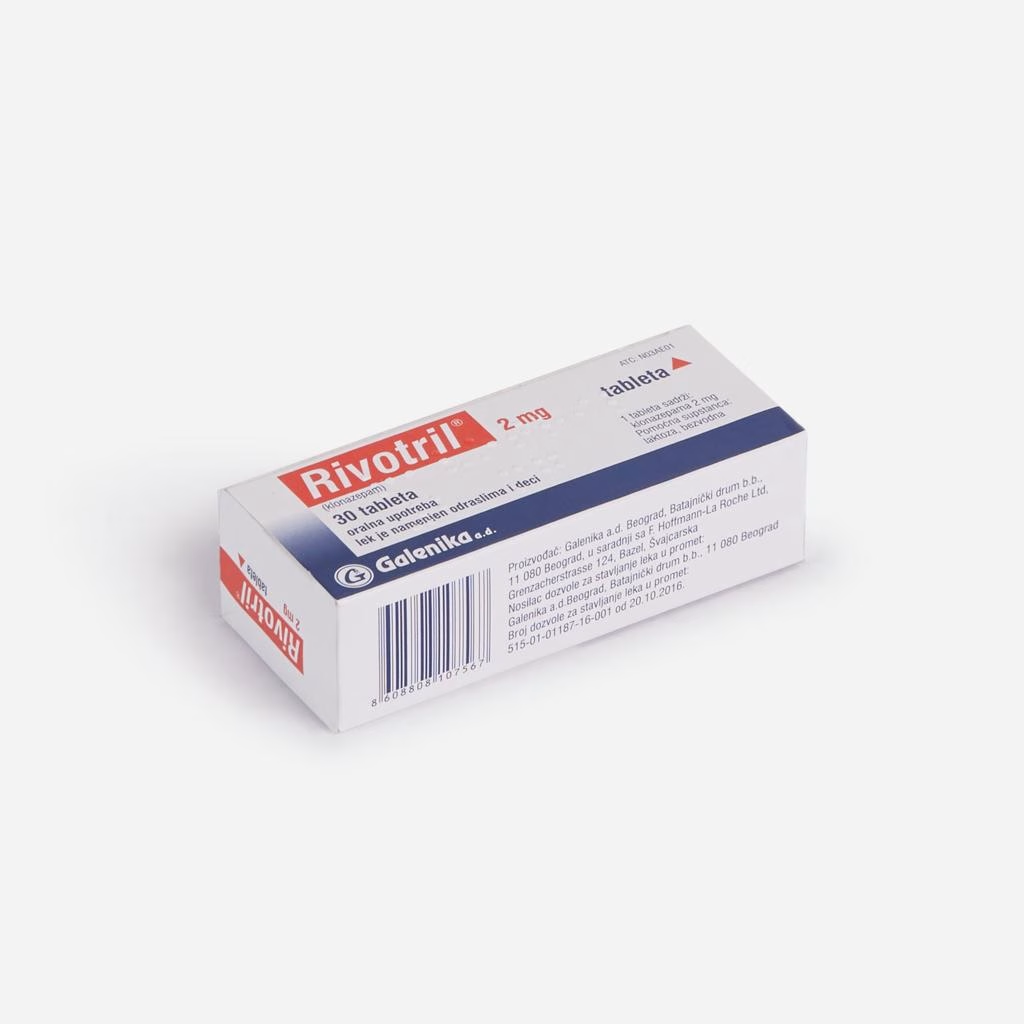
Clonazepam Rivotril 2mg Galenika
Price range: £46.90 through £260.75
Rivotril 2mg is an oral tablet containing 2mg of clonazepam. Clonazepam is a benzodiazepine medicine with anticonvulsant, sedative, muscle-relaxant and anxiety-reducing properties. It is used under medical supervision for selected seizure disorders and may also be prescribed in some cases of panic disorder or muscle spasms. The medicine can cause daytime drowsiness, dizziness, poor coordination, memory problems, dependence and withdrawal. Rivotril 2mg is a prescription-only Class C controlled medicine in the UK and must be used only for the patient and purpose authorised by a qualified prescriber.
Clonazepam Rivotril 2mg Galenika – UK Patient Information
Clonazepam Rivotril 2mg is an oral benzodiazepine medicine containing 2mg of clonazepam in each tablet. Clonazepam affects electrical and chemical signalling in the brain and central nervous system.
The live product page identifies the medicine as Rivotril 2mg Galenika. Official Rivotril product information confirms that the 2mg tablet contains clonazepam and is primarily associated with the treatment of selected forms of epilepsy. However, the exact manufacturer, pack details and UK marketing-authorisation status of the product displayed on this page should be verified before describing it as UK licensed.
Clonazepam is available only with a prescription. It is also a controlled medicine because inappropriate or prolonged use can lead to drowsiness, impaired coordination, tolerance, dependence, addiction and withdrawal.
A qualified prescriber should review the patient’s diagnosis, symptoms, other medicines, medical history and individual risks before deciding whether clonazepam is suitable.
What Is Rivotril 2mg?
Rivotril is a brand name associated with clonazepam. Each Rivotril 2mg tablet contains 2mg of the active ingredient clonazepam.
Clonazepam belongs to a group of medicines called benzodiazepines. These medicines increase the effects of a calming chemical messenger in the brain called gamma-aminobutyric acid, commonly known as GABA.
Increasing GABA activity can:
- Reduce abnormal electrical activity associated with seizures
- Produce a calming or sedating effect
- Relax certain involuntary muscle movements
- Reduce some symptoms associated with panic disorder
- Slow reactions and reduce alertness
The same central nervous system effects that make clonazepam medically useful can also create significant safety risks. The medicine should therefore be used only for a confirmed clinical reason and according to instructions issued by the prescriber.
What Is Clonazepam Used For?
The precise use depends on the diagnosis, the authorised product information and the individual patient.
Epilepsy and seizure disorders
UK clonazepam product information primarily describes clonazepam as an antiepileptic medicine. It may be used alone or alongside other antiepileptic treatment for selected seizure disorders.
Clonazepam can reduce abnormal electrical activity in the brain, helping to lower the frequency or severity of certain seizures.
Treatment must be supervised carefully because:
- Different seizure disorders require different treatment plans
- Clonazepam can interact with other antiepileptic medicines
- The dose must be adjusted individually
- Long-term effectiveness may change
- Abrupt withdrawal can trigger serious seizures
- Side effects may increase when several sedating medicines are combined
A patient should never begin, increase, reduce or stop seizure medication independently.
Panic disorder
The NHS lists panic disorder as one of the conditions for which clonazepam may be prescribed.
Panic disorder involves repeated panic attacks together with continuing concern about further attacks or changes in behaviour intended to avoid them.
Possible panic-attack symptoms include:
- Sudden intense fear
- Rapid heartbeat
- Shaking
- Sweating
- Chest tightness
- Breathlessness
- Dizziness
- Feeling detached from reality
- Fear of losing control
- Fear of dying
Clonazepam may reduce some panic symptoms, but it does not replace a complete mental-health assessment or longer-term treatment strategy.
Learn more through our guide explaining what panic attacks are and how they may be managed.
Involuntary muscle spasms
Clonazepam may sometimes be prescribed for involuntary muscle spasms.
Muscle spasms can result from neurological disorders, injury, another medicine or an underlying physical condition. Treatment should focus on the cause rather than simply suppressing the symptom.
Restless legs syndrome
The NHS notes that clonazepam is sometimes used for restless legs syndrome. This condition can cause an uncomfortable urge to move the legs, especially when resting or trying to sleep.
Clonazepam is not automatically the first or most suitable treatment for every person with restless legs symptoms.
Is Rivotril 2mg a Sleeping Tablet?
Rivotril can cause drowsiness, but it should not be marketed as an ordinary sleeping tablet.
The current page incorrectly describes Rivotril mainly as a product that helps users fall asleep and remain asleep. That wording should be removed.
Clonazepam’s recognised uses include seizure control, panic disorder, involuntary muscle spasms and selected other neurological conditions. Drowsiness is an effect of the medicine, not evidence that it is an appropriate routine insomnia treatment.
Using clonazepam simply to produce sleep may expose the patient to:
- Daytime sedation
- Reduced concentration
- Impaired coordination
- Memory problems
- Tolerance
- Dependence
- Rebound insomnia
- Withdrawal symptoms
Persistent sleep problems should be assessed for possible causes such as anxiety, depression, sleep apnoea, chronic pain, alcohol use, caffeine, shift work, other medicines or poor sleep habits.
For wider information, read our guide to types of mental health conditions and their possible effects on sleep and daily functioning.
Product and Licensing Verification
The product page currently uses the title “Clonazepam / Rivotril 2mg Galenika.”
Before publishing manufacturer or licensing claims, verify:
- The exact manufacturer shown on the physical pack
- The country in which the product is authorised
- The marketing-authorisation number
- The genuine patient information leaflet
- The batch number
- The expiry date
- The pack size
- The medicine’s lawful UK supply route
- Whether the product matches the displayed image
Official Serbian medicine information confirms a Rivotril 2mg tablet containing 2mg of clonazepam. This does not automatically prove that the specific Galenika presentation displayed on the website holds a UK marketing authorisation.
Do not use statements such as:
- UK approved Rivotril
- MHRA-approved Galenika clonazepam
- Official UK Rivotril
- Guaranteed genuine UK brand
unless documentary evidence supports those claims.
Why Is a Clinical Assessment Required?
A clinical assessment is necessary because clonazepam can affect breathing, alertness, memory, coordination and seizure control.
Diagnosis and symptoms
The prescriber may need to understand:
- Which symptoms are present
- How long they have continued
- Whether a formal diagnosis has been made
- Whether seizures, panic attacks or muscle spasms are involved
- How severe and frequent the symptoms are
- Which treatments have already been tried
- Whether specialist or face-to-face care is required
Current medicines
The patient should provide a complete list of:
- Prescription medicines
- Pharmacy medicines
- Antiepileptic medicines
- Sleeping tablets
- Anxiety medicines
- Opioid painkillers
- Antidepressants
- Antipsychotic medicines
- Sedating antihistamines
- Herbal medicines
- Supplements
- Recreational substances
Clonazepam may strengthen the effects of other medicines that slow down the central nervous system.
Dependence and substance-use history
The prescriber should also assess any history of:
- Benzodiazepine dependence
- Alcohol dependence
- Opioid misuse
- Recreational-drug use
- Increasing medicine doses
- Early repeat requests
- Previous withdrawal symptoms
- Using sedatives for emotional coping
Completing a questionnaire does not guarantee a prescription.
Who May Not Be Suitable for Clonazepam?
Clonazepam may be unsuitable or require specialist supervision for people with:
- Acute breathing problems
- Severe respiratory insufficiency
- Sleep apnoea
- Myasthenia gravis
- Severe liver impairment
- Benzodiazepine allergy
- Significant alcohol or drug misuse
- Severe frailty
- Increased risk of falls
- Certain mental-health conditions
- Pregnancy or breastfeeding
- Concurrent opioid treatment
Additional caution may be needed for people with kidney problems, chronic lung disease, depression, previous suicidal thoughts or impaired coordination.
Patients should provide complete and truthful medical information during the assessment.
Clonazepam Compared With Other Treatment Approaches
| Treatment or approach | Possible clinical role | Important consideration |
|---|---|---|
| Clonazepam | Selected seizure disorders, panic disorder or muscle spasms | Sedation, dependence and withdrawal risks |
| Other antiepileptic medicines | Long-term seizure management | Choice depends on seizure type and response |
| Psychological therapy | Panic disorder and anxiety management | Requires regular participation |
| Antidepressant medicines | Longer-term panic or anxiety treatment | Benefits may take time to develop |
| Physiotherapy or neurological care | Certain muscle or movement conditions | Treatment depends on the underlying cause |
| Sleep-hygiene support | Behaviour-related sleep problems | Does not treat epilepsy or severe panic disorder |
Clonazepam should not be selected simply because it can produce a rapid calming or sedating effect.
Common Side Effects
The most commonly reported effect of clonazepam is daytime drowsiness.
Other possible side effects include:
- Dizziness
- Slower reactions
- Tiredness
- Muscle weakness
- Poor coordination
- Unsteady walking
- Reduced concentration
- Confusion
- Memory difficulties
- Slurred speech
- Visual disturbance
Older or medically frail patients may be more sensitive to confusion, weakness, falls and fractures.
Contact the prescribing service if side effects are severe, persistent or interfere with normal daily activities.
Serious Reactions
Seek urgent medical assistance if someone experiences:
- Slow or shallow breathing
- Extreme drowsiness
- Inability to wake
- Collapse
- Loss of consciousness
- Severe confusion
- A seizure lasting unusually long
- A serious allergic reaction
- Hallucinations
- Unexpected aggression or agitation
- Suspected overdose
Some people can experience paradoxical reactions, meaning that a medicine expected to calm them instead causes agitation, irritability, aggression or abnormal behaviour.
Clonazepam and Alcohol
Alcohol should not be used with clonazepam.
Combining them can increase:
- Severe drowsiness
- Poor coordination
- Memory impairment
- Breathing suppression
- Difficulty waking
- Loss of consciousness
- Coma
- Accident and overdose risk
The NHS warns that alcohol can make a person taking clonazepam enter a very deep sleep, have difficulty breathing or become difficult to wake.
Clonazepam and Opioid Medicines
Combining a benzodiazepine such as clonazepam with an opioid can cause additive central nervous system depression.
Opioid medicines include:
- Codeine
- Dihydrocodeine
- Tramadol
- Tapentadol
- Morphine
- Oxycodone
- Fentanyl
- Methadone
Using clonazepam with an opioid can increase the risk of:
- Profound sedation
- Slow breathing
- Respiratory failure
- Coma
- Death
The combination should only be considered when a qualified prescriber decides that no suitable alternative exists and establishes appropriate monitoring.
Dependence, Tolerance and Withdrawal
Tolerance
Tolerance means that the original effect becomes weaker after repeated use.
A patient may feel that they need a larger amount to achieve the same result. The dose must never be increased without approval.
Physical dependence
Physical dependence means that the body has adapted to the medicine.
Withdrawal symptoms may occur if regular treatment is stopped suddenly or reduced too quickly.
Addiction
Addiction can involve:
- Cravings
- Loss of control
- Taking more medicine than prescribed
- Continuing despite harm
- Seeking repeated or early supplies
- Using medicine for a non-medical purpose
Withdrawal symptoms
Possible withdrawal effects include:
- Anxiety
- Rebound panic symptoms
- Rebound insomnia
- Irritability
- Restlessness
- Sweating
- Tremor
- Muscle discomfort
- Changes in perception
- Confusion
- Hallucinations
- Seizures
- Status epilepticus in severe cases
Clonazepam treatment should not be stopped abruptly. The prescriber may create a gradual reduction plan based on the dose, treatment duration and reason for use.
Driving and Daily Activities
Clonazepam may impair:
- Alertness
- Concentration
- Coordination
- Reaction time
- Judgement
- Memory
Do not drive, cycle, operate machinery or perform hazardous work if the medicine causes sleepiness, dizziness, poor concentration or unsteadiness.
Having a prescription does not make it safe or lawful to drive while impaired.
Pregnancy and Breastfeeding
Tell the prescriber if you are:
- Pregnant
- Planning pregnancy
- Possibly pregnant
- Breastfeeding
Clonazepam use during pregnancy requires careful medical assessment. Exposure later in pregnancy may affect the newborn’s breathing, muscle tone, feeding or ability to regulate body temperature.
Long-term benzodiazepine use during pregnancy may also lead to physical dependence and withdrawal symptoms in the newborn.
Do not begin, continue or suddenly stop antiepileptic treatment during pregnancy without specialist advice. Uncontrolled epilepsy and abrupt medicine withdrawal may also create serious risks.
How Should Rivotril 2mg Be Used Safely?
Use clonazepam only according to instructions supplied by the prescriber and pharmacist.
General safety principles include:
- Do not decide the dose from an online article
- Do not take more than prescribed
- Do not repeat a dose early
- Do not use another person’s medicine
- Do not share tablets
- Do not combine the medicine with alcohol
- Do not combine it with opioids without clinical approval
- Do not use it merely to produce sleep
- Do not alter seizure treatment independently
- Do not stop regular treatment suddenly
- Attend required monitoring appointments
The current product page’s fixed-dose instructions should be removed. Clonazepam dosing must be adjusted to the patient’s diagnosis, age, response, other medicines and tolerability.
Secure Storage and Disposal
Store clonazepam:
- In its original labelled packaging
- In a dry and secure location
- Away from heat and moisture
- Out of sight and reach of children
- Away from visitors and household members
- Away from anyone with a history of medicine misuse
Do not:
- Share the medicine
- Sell it
- Give it to another person
- Use tablets after their expiry date
- Put unused tablets in household waste
- Flush tablets into wastewater
Return unused or expired controlled medicine to a pharmacy for safe disposal.
How a Responsible Online Assessment Should Work
Step 1: Complete a confidential medical questionnaire
Provide accurate information about the diagnosis, symptoms, seizures, panic attacks, current medicines, allergies and medical history.
Step 2: Receive an independent prescriber review
A qualified prescriber determines whether medicine is clinically appropriate and whether online treatment is suitable.
Step 3: Receive a treatment decision
The prescriber may approve an appropriate treatment, request more information, recommend a different option or decline the request.
Step 4: Complete pharmacy checks
The pharmacy verifies the prescription, medicine identity, interactions, treatment quantity and stock.
Step 5: Dispatch after approval
Dispatch should begin only after a valid prescription and all required pharmacy checks have been completed.
Read the website’s delivery information and frequently asked questions before starting an assessment.
Frequently Asked Questions
What is Rivotril 2mg?
Rivotril 2mg is a tablet containing 2mg of clonazepam, a benzodiazepine medicine with anticonvulsant, sedating and muscle-relaxing properties.
Is clonazepam used for epilepsy?
Yes. UK clonazepam product information primarily describes it as a treatment for selected forms of epilepsy and seizure disorders.
Can clonazepam be prescribed for panic disorder?
The NHS lists panic disorder as one condition for which clonazepam may be prescribed. Suitability must be assessed individually.
Is Rivotril 2mg a sleeping tablet?
No. Clonazepam can cause drowsiness, but Rivotril should not be presented as an ordinary or routine insomnia medicine.
Is clonazepam controlled in the UK?
Yes. Clonazepam is classified as a Class C, Schedule 4 Part I controlled drug.
Can alcohol be taken with clonazepam?
No. Alcohol can increase deep sedation, breathing problems, difficulty waking, coma and overdose risk.
Can clonazepam be taken with opioid painkillers?
Only following specific medical review. Combining benzodiazepines with opioids can cause potentially fatal respiratory depression.
Can clonazepam treatment be stopped suddenly?
No. Abrupt withdrawal can cause severe symptoms and may trigger seizures. A gradual reduction may be required.
Is this Galenika presentation licensed in the UK?
The product page does not display a verifiable UK marketing-authorisation number for the Galenika presentation. Do not claim that it is UK licensed until documentary evidence has been confirmed.
Is a prescription guaranteed?
No. The prescriber may request more information, recommend another treatment or decline the medicine request.
Final Thoughts
Clonazepam Rivotril 2mg is a powerful prescription benzodiazepine used mainly for selected seizure disorders and, in some patients, panic disorder or involuntary muscle spasms. It can offer important clinical benefits when properly prescribed, but it can also cause significant sedation, dependence, withdrawal and dangerous interactions.
The page should provide balanced patient information rather than promoting Rivotril as an ordinary sleeping pill. Every treatment request should be reviewed independently, and the exact medicine, strength, quantity and duration should be confirmed only when clinically appropriate.
Patients considering treatment should complete an accurate medical assessment and follow the advice of their prescriber and pharmacist.
Additional information
| Quantity | "Buy 30 pills", "Buy 60 pills", "Buy 90 pills", "Buy 120 pills", "Buy 150 pills", "Buy 180 pills", "Buy 240 pills" |
|---|







Reviews
There are no reviews yet.