Health Anxiety and Better Sleep: Understanding Anxiety, Insomnia and Better Sleep
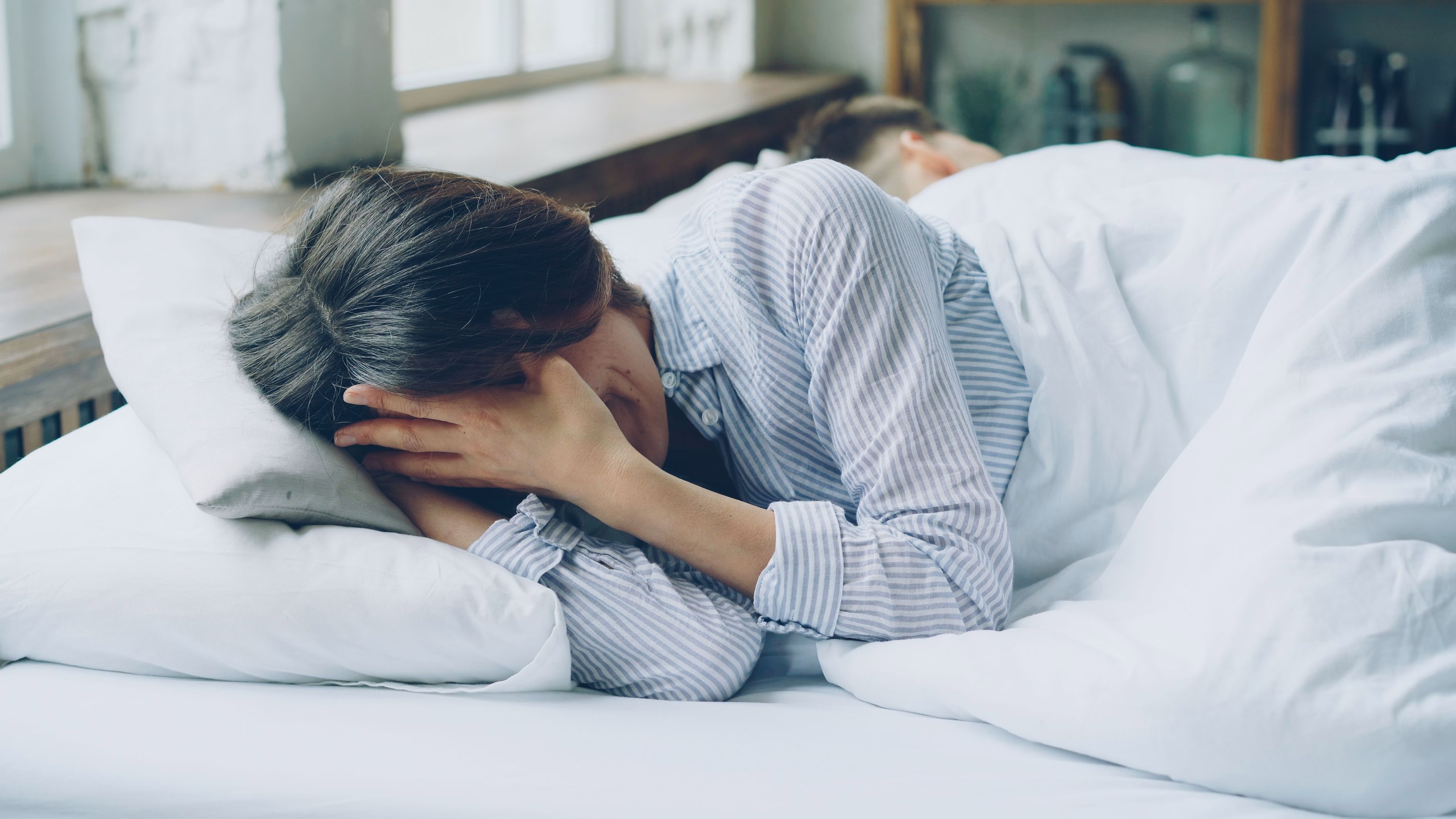
Health anxiety and better sleep are closely connected. When a person worries too much about symptoms, illness, or body sensations, the mind can become more active at night. This makes it harder to relax, fall asleep, and stay asleep.
Health anxiety can make normal body feelings feel dangerous. A heartbeat, headache, stomach noise, chest tightness, or breathing change may feel like a sign of serious illness. At night, these worries often become stronger because the room is quiet and there are fewer distractions.
This guide explains health anxiety and better sleep, why health worries become worse at night, how poor sleep increases anxiety, and what simple steps may help calm the mind before bedtime.
How Are Health Anxiety and Better Sleep Connected?
Health anxiety and better sleep are connected because anxiety can keep the body in a stress state. When the brain feels unsafe, it stays alert. This can delay sleep, cause night waking, and make symptoms feel stronger.
Better sleep may help reduce anxiety, but anxiety also needs proper management. A good sleep routine, less symptom checking, less online searching, relaxation, and professional support can help break the cycle.
Health Anxiety vs Sleep Anxiety: Comparison Table
| Feature | Health Anxiety | Sleep Anxiety |
|---|---|---|
| Main fear | Fear of illness or serious health problems | Fear of not sleeping or sleeping badly |
| Common thoughts | “What if this symptom is dangerous?” | “What if I cannot sleep tonight?” |
| Body focus | Heartbeat, breathing, pain, dizziness, stomach symptoms | Tiredness, bedtime alertness, sleep time, night waking |
| Common behaviour | Body checking, reassurance seeking, symptom searching | Clock watching, forcing sleep, worrying in bed |
| Worse time | Often worse at night or after noticing symptoms | Usually worse near bedtime |
| Sleep effect | Worry keeps the nervous system active | Pressure to sleep makes sleep harder |
| Short-term relief | Reassurance or online searching may calm fear briefly | Sleeping pills or naps may seem helpful briefly |
| Long-term problem | Checking and reassurance can keep anxiety active | Fear of sleep can train the brain to dislike bedtime |
| Helpful approach | Reduce checking, challenge thoughts, seek support | Sleep routine, CBT-I, relaxation, less clock watching |
| When to seek help | If health worries stop normal life | If sleep problems continue for weeks or affect daily life |
What Is Health Anxiety?
Health anxiety means worrying too much about having or developing a serious illness. The person may focus on small body sensations and believe they are warning signs.
Common health anxiety behaviours include:
Checking the body again and again
Searching symptoms online
Asking family or doctors for reassurance
Feeling calm for a short time, then worried again
Avoiding health information because it creates fear
Thinking normal symptoms mean serious illness
Health anxiety and better sleep become linked when these worries follow the person into bed.
For a full guide, read: Health Anxiety Symptoms and Physical Health
Why Health Anxiety Gets Worse at Night
Health anxiety often feels stronger at night because the mind has fewer distractions. During the day, work, family, phone calls, and daily tasks keep the brain busy. At night, silence makes body sensations feel louder.
Night-time health anxiety may include:
Checking pulse in bed
Worrying about breathing
Searching symptoms on Google
Feeling chest tightness
Fear of not waking up
Racing thoughts
Replaying health worries
This is why health anxiety and better sleep should be handled together, not separately.
The Health Anxiety and Poor Sleep Cycle
Health anxiety and poor sleep can create a loop.
The cycle often looks like this:
A person notices a symptom
They worry it means illness
Anxiety increases body alertness
The symptom feels stronger
The person cannot sleep
Poor sleep makes anxiety worse the next day
The person checks symptoms again
This cycle can continue until the person changes how they respond to symptoms and sleep pressure.
Can Poor Sleep Make Health Anxiety Worse?
Yes, poor sleep can make health anxiety worse. When the brain does not rest well, it becomes more sensitive to stress. Small problems may feel bigger. Normal body sensations may feel more worrying.
Poor sleep may increase:
Irritability
Racing thoughts
Dizziness
Headaches
Muscle tension
Poor concentration
Low mood
Panic feelings
If headaches are a common worry, read: Why Do Sleeping Pills Cause Headaches?
Can Health Anxiety Cause Insomnia?
Yes, health anxiety can cause insomnia. Insomnia means difficulty falling asleep, staying asleep, waking too early, or waking unrefreshed.
Health anxiety may cause insomnia because the brain keeps asking questions such as:
“What if this pain is serious?”
“What if my breathing stops?”
“What if I need to go to hospital?”
“What if I sleep and something happens?”
“What if I feel worse tomorrow?”
These thoughts keep the nervous system active. Sleep needs safety, calm, and routine. Health anxiety creates the opposite feeling.
Physical Symptoms That Disturb Sleep
Health anxiety can make real physical sensations feel frightening. These symptoms may be caused by anxiety, poor sleep, tension, or other health issues.
Common symptoms include:
Racing heartbeat
Chest tightness
Dizziness
Headaches
Stomach discomfort
Shortness of breath
Muscle tension
Tingling
Shaking
Sweating
Tiredness
If dizziness happens at night or after sleep medicine, read: Can Sleeping Pills Cause Dizziness?
Why Symptom Searching Before Bed Is Harmful
Searching symptoms online before bed often makes health anxiety worse. Search results may show serious conditions even when the symptom is common or stress-related.
For example, a person may search “headache at night” and then read about rare serious causes. This creates fear, the body becomes tense, and sleep becomes harder.
A simple rule: avoid symptom searching at night. If a symptom is new, severe, or worrying, speak to a healthcare professional instead of repeatedly searching online.
Body Checking and Sleep Problems
Body checking means repeatedly checking the body for signs of illness.
Examples include:
Checking pulse
Checking breathing
Pressing painful areas
Looking at skin marks
Checking throat or stomach
Testing balance
Measuring symptoms repeatedly
Body checking may feel helpful for a few minutes, but it trains the brain to stay alert. The more you check, the more important the symptom feels.
Health Anxiety and Better Sleep Routine
A better sleep routine can reduce night-time anxiety. The goal is not to force sleep. The goal is to teach the brain that bedtime is safe.
Helpful steps include:
Keep the same wake-up time daily
Avoid long daytime naps
Reduce caffeine after midday
Avoid alcohol before bed
Stop symptom searching at night
Keep the bedroom cool and dark
Use the bed mainly for sleep
Build a calm wind-down routine
For a related topic, read: Why Does My Anxiety Increase at Night?
A Simple Night-Time Plan for Health Anxiety
Try this simple routine:
1. Set a Worry Time Earlier
Choose 10 minutes in the evening to write worries down. Do this before bedtime, not in bed.
2. Write a Balanced Thought
Instead of “This symptom means something serious,” write “This may be anxiety, stress, poor sleep, or something common. If it becomes severe or new, I can seek help.”
3. Stop Symptom Searching
Do not search symptoms after your set worry time.
4. Use Gentle Breathing
Breathe slowly and gently. Do not force deep breaths.
5. Return Attention to Rest
When worries come back, say: “I will handle this tomorrow. Right now, my job is rest.”
Relaxation Techniques Before Sleep
Relaxation can help calm the nervous system before bed.
Useful options include:
Slow breathing
Progressive muscle relaxation
Gentle stretching
Calm reading
Soft music
Prayer or mindfulness
Warm shower
Writing thoughts in a diary
The best technique is the one you can repeat daily. A simple routine repeated every night is better than a perfect routine done once.
Should You Use Sleeping Pills for Health Anxiety?
Sleeping pills do not treat the root cause of health anxiety. They may help short-term insomnia in some cases, but they should not be used as the only solution for anxiety-driven sleep problems.
Some sleeping pills may cause side effects such as drowsiness, dizziness, headaches, memory problems, or next-day tiredness. They may also become less effective over time if used longer than advised.
Read more here: Sleeping Pills and Their Side Effects in the UK
You can also read: Why Do Sleeping Pills Stop Working?
When Sleep Problems May Need Medical Review
Sometimes sleep problems are not only caused by anxiety. Another sleep disorder may be involved.
Speak to a healthcare professional if you have:
Loud snoring
Waking up gasping
Morning headaches
Extreme daytime tiredness
Breathing pauses during sleep
Sudden panic-like waking
Chest pain
Severe dizziness
Sleep problems lasting several weeks
If snoring, gasping, or morning headaches are present, read: Sleep Apnea and Sleep Paralysis
CBT and CBT-I for Health Anxiety and Sleep
CBT means cognitive behavioural therapy. It helps people understand the link between thoughts, feelings, body symptoms, and behaviour.
CBT may help health anxiety by reducing:
Body checking
Reassurance seeking
Symptom searching
Fear-based thinking
Avoidance
Panic around symptoms
CBT-I is cognitive behavioural therapy for insomnia. It focuses more directly on sleep routines, sleep pressure, and unhelpful beliefs about sleep.
Health anxiety and better sleep often improve when both anxiety habits and sleep habits are addressed.
When Should You Seek Help?
Speak with a doctor, pharmacist, or NHS 111 if:
Health anxiety affects normal life
Sleep problems continue for several weeks
You cannot stop checking symptoms
You feel panic at night
You avoid sleep because of fear
You have low mood
You rely on repeated reassurance
Symptoms are new, severe, or getting worse
Seek urgent medical help if you have severe chest pain, fainting, serious breathing difficulty, weakness on one side, blue lips, confusion, sudden severe headache, or thoughts of self-harm.
Frequently Asked Questions
Can health anxiety affect sleep?
Yes, health anxiety can affect sleep because worry keeps the body alert. This can make it harder to fall asleep, stay asleep, or wake feeling rested.
Why is health anxiety worse at night?
Health anxiety is often worse at night because there are fewer distractions. Body sensations feel more noticeable, and the mind has more space to worry.
Can poor sleep make health anxiety worse?
Yes, poor sleep can make the nervous system more sensitive. This may increase body checking, symptom fear, racing thoughts, and anxiety the next day.
How can I sleep better with health anxiety?
A regular wake time, less symptom searching, less body checking, relaxation, and a calm bedtime routine may help. Professional support may be needed if symptoms continue.
Should I search symptoms online before bed?
No. Repeated symptom searching before bed often increases fear and makes sleep harder. If a symptom is new, severe, or worrying, speak with a healthcare professional.
Can CBT help health anxiety and sleep?
CBT may help health anxiety by reducing checking, reassurance seeking, and fear-based thoughts. CBT-I may help insomnia and sleep-related anxiety.
Are sleeping pills the best solution for health anxiety?
Sleeping pills are not the best long-term solution for health anxiety because they do not treat the root worry cycle. They should only be used with proper medical guidance.
When should I see a doctor?
Speak with a doctor if health worries stop normal life, sleep problems continue for weeks, panic happens at night, or symptoms are new, severe, or getting worse.
Conclusion
Health anxiety and better sleep are strongly connected. Health anxiety can make body sensations feel dangerous, especially at night. Poor sleep can then increase anxiety, making symptoms feel stronger the next day.
The safest approach is to reduce symptom searching, reduce body checking, build a calm sleep routine, manage stress, and seek professional support when anxiety or sleep problems affect daily life.