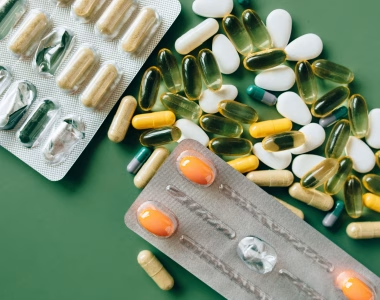
How Long Does Amoxicillin Take to Work? Timeline, Uses, Side Effects & Recovery Guide UK
How long does amoxicillin take to work? For many bacterial infections, amoxicillin starts acting after you begin treatment, but most people do not feel better immediately. Symptom improvement is usually noticed within a few days, depending on the infection type, severity, immune response, and whether the medicine is taken correctly.
Amoxicillin is a penicillin antibiotic used for bacterial infections. It may be prescribed for chest infections, dental infections, sinus infections, ear infections, skin infections, and some urinary tract infections when a healthcare professional decides it is suitable.
This guide explains how long amoxicillin takes to work, what recovery may feel like day by day, why symptoms can take time to improve, when to seek medical advice, and how to review Amoxicillin 500mg product information safely.
How Long Does Amoxicillin Take to Work?
Amoxicillin begins working against susceptible bacteria after treatment starts, but symptom relief usually takes longer. Many people start to feel better within a few days.
If you do not start feeling better after 3 to 5 days, or if symptoms get worse at any time, you should contact a doctor, dentist, pharmacist, or NHS 111 for advice.
Do not stop amoxicillin early just because symptoms improve. Keep taking it until the prescribed course is finished unless a healthcare professional tells you otherwise.
Amoxicillin Recovery Timeline: Comparison Table
| Time After Starting Amoxicillin | What May Happen | Important Note |
|---|---|---|
| First dose | Medicine starts entering the body and working against susceptible bacteria | Symptoms may not improve immediately |
| First 24 hours | Some people may notice mild improvement | Others may still feel the same |
| 24 to 72 hours | Many people begin to feel better within a few days | Continue the course as prescribed |
| 3 to 5 days | Symptoms should usually be improving | Seek advice if there is no improvement |
| After finishing course | Infection should be controlled if the antibiotic was suitable | Seek advice if symptoms return |
| Any time symptoms worsen | Could mean infection is severe, resistant, or not bacterial | Contact a healthcare professional promptly |
What Is Amoxicillin?
Amoxicillin is a penicillin antibiotic. It is used to treat bacterial infections. It works by killing bacteria that are causing the infection.
Amoxicillin does not work for viral infections such as colds, flu, or most coughs. This is important because taking antibiotics when they are not needed can increase antibiotic resistance.
For a full medicine overview, read: What Is Amoxicillin and Benefits
How Does Amoxicillin Work?
Bacteria need strong cell walls to survive. Amoxicillin weakens the bacteria’s ability to build those cell walls. When the bacteria cannot protect themselves properly, they die or stop spreading, allowing the body to recover.
A simple way to understand it: the infection is like a fire, and amoxicillin helps stop the fire from spreading. But the body still needs time to clear the damage and reduce inflammation. That is why the medicine may start working before you actually feel better.
Why You May Not Feel Better Immediately
Many people expect antibiotics to work like painkillers, but they are different. A painkiller may reduce pain quickly. An antibiotic treats the bacterial cause, but symptoms improve gradually.
You may still feel unwell for a while because:
The immune system is still clearing infection
Swelling and inflammation need time to settle
Pain may continue even after bacteria start reducing
Fever or tiredness can take time to improve
The infection may be more severe than expected
The antibiotic may not be the right one for the bacteria
If symptoms are not improving after a few days, do not simply take extra doses. Get medical advice.
How Long Does Amoxicillin Take to Work for Tooth Infection?
For a tooth infection or dental abscess, some people may notice pain or swelling starting to improve within a few days. However, antibiotics alone may not fix the dental cause.
A dental abscess often needs dental treatment, such as drainage, root canal treatment, or tooth care. Amoxicillin may reduce bacterial spread, but the source of infection still needs proper dental review.
Seek urgent dental or medical advice if you have:
Facial swelling
Fever
Severe tooth pain
Difficulty opening the mouth
Difficulty swallowing
Difficulty breathing
Swelling under the jaw
Symptoms spreading quickly
Do not ignore a dental infection. It can become serious if it spreads.
How Long Does Amoxicillin Take to Work for Chest Infection?
For a bacterial chest infection, people may start feeling better within a few days. Fever, chest discomfort, and tiredness may improve first, while cough can last longer.
Not every chest infection needs antibiotics. Many coughs and chest infections are viral, and antibiotics do not work for viral illness.
Get medical advice quickly if you have:
Shortness of breath
Chest pain
Blue lips
Coughing blood
Confusion
High fever
Worsening symptoms
Existing lung disease
Weak immune system
How Long Does Amoxicillin Take to Work for Ear Infection?
Ear infection symptoms may improve within a few days when antibiotics are suitable. However, many ear infections improve without antibiotics, especially mild cases.
Pain relief may still be needed while the infection settles. If ear pain is severe, hearing changes happen, discharge appears, or symptoms worsen, seek medical advice.
How Long Does Amoxicillin Take to Work for Sinus Infection?
Sinus symptoms can take several days to improve. Facial pressure, blocked nose, and headache may not disappear immediately.
Many sinus infections are viral and do not need antibiotics. Amoxicillin may be used only when a clinician believes a bacterial infection is likely or symptoms are persistent/severe.
Seek advice if sinus symptoms are severe, one-sided, worsening, linked with swelling around the eye, or not improving.
How Long Does Amoxicillin Take to Work for UTI?
For some urinary tract infections, symptoms such as burning, urgency, and frequent urination may improve within a few days if amoxicillin is suitable for the bacteria.
However, amoxicillin is not always the first choice for UTIs because bacteria can be resistant. A clinician may choose another antibiotic depending on local guidance, test results, pregnancy status, kidney symptoms, or previous infections.
Seek urgent advice if you have:
Back pain
Fever
Shivering
Blood in urine
Vomiting
Pregnancy
Kidney problems
Symptoms getting worse
Amoxicillin 500mg Product Information
Amoxicillin 500mg is a commonly used capsule strength for adults when a clinician decides it is suitable. The correct dose and course length depend on infection type, severity, age, kidney function, allergy history, and other medicines.
For product-focused visitors, review: Amoxicillin 500mg – UK Brand product information
Use this product page as a strength and product-information guide. Do not use antibiotics without proper medical advice, and do not take antibiotics for viral infections such as colds, flu, or most coughs.
Amoxicillin 500mg vs Other Antibiotics: Comparison Table
| Medicine | Common Use | Important Note |
|---|---|---|
| Amoxicillin 500mg | Many bacterial infections, including some chest, dental, ear, sinus, skin, and urinary infections | Only works for suitable bacterial infections |
| Co-amoxiclav | Some infections needing broader antibiotic cover | Different medicine; not the same as amoxicillin |
| Flucloxacillin | Often used for some skin infections | Not suitable for every infection |
| Clarithromycin | Sometimes used if penicillin is unsuitable | Has different interactions and side effects |
| Doxycycline | Used for some chest, skin, and other infections | Not suitable for everyone |
| Nitrofurantoin | Often used for some UTIs | Works mainly in urine, not for all infections |
The right antibiotic depends on the infection and patient factors. Do not choose an antibiotic only by name or strength.
Factors That Affect How Fast Amoxicillin Works
Amoxicillin may work faster or slower depending on several factors.
Type of Infection
A simple bacterial infection may improve faster than a deeper infection, dental abscess, or infection with swelling.
Severity of Infection
Severe infections take longer to improve and may need urgent review.
Correct Antibiotic Choice
If the bacteria are not sensitive to amoxicillin, symptoms may not improve.
Taking Doses Correctly
Missing doses can delay recovery. Follow the prescription label or pharmacist instructions.
Immune System Health
People with diabetes, immune problems, older age, or long-term illness may take longer to recover.
Dental or Surgical Source
Some infections need a procedure as well as antibiotics. For example, a dental abscess may need dental treatment.
Why You Must Finish the Course
Even if you feel better after 2 or 3 days, some bacteria may still remain. Stopping too early can allow the infection to come back.
Finishing the prescribed course helps:
Treat the infection properly
Reduce the chance of symptoms returning
Lower the risk of complications
Support safer antibiotic use
Avoid incomplete treatment
Only stop early if a doctor, dentist, or pharmacist tells you to.
What If Amoxicillin Is Not Working?
Amoxicillin may not be working if symptoms do not improve after several days, or if they become worse.
Possible reasons include:
The infection is viral
The bacteria are resistant
The dose or course is not suitable
The infection needs drainage or dental treatment
The infection is more serious than first thought
Another diagnosis is causing symptoms
Seek medical advice if you do not start feeling better after 3 to 5 days, or sooner if symptoms worsen.
Common Side Effects of Amoxicillin
Amoxicillin can cause side effects, although not everyone gets them.
Common side effects may include:
Feeling sick
Diarrhoea
Vomiting
Stomach discomfort
Bloating
Indigestion
Mild rash
Thrush in some people
Drink enough fluids if you have mild diarrhoea. Seek medical advice if diarrhoea is severe, watery, bloody, or continues after finishing the antibiotic.
Amoxicillin Allergy Warning
Amoxicillin is a penicillin antibiotic, so people with penicillin allergy must be careful.
Seek urgent medical help if you develop:
Wheezing
Trouble breathing
Swelling of the face, lips, tongue, or throat
Tightness in the chest or throat
Severe rash
Blistering or peeling skin
Fainting
Severe dizziness
A serious allergic reaction is a medical emergency.
Can You Drink Alcohol With Amoxicillin?
NHS says alcohol can be drunk while taking amoxicillin. However, if you are unwell, drinking alcohol may make you feel worse, increase dehydration, upset your stomach, or slow your recovery.
A practical approach is to avoid alcohol until you feel better, especially if you have fever, vomiting, diarrhoea, dizziness, or stomach upset.
Does Amoxicillin Affect Contraception?
Amoxicillin does not usually stop contraception from working. However, if amoxicillin makes you vomit or causes severe watery diarrhoea for more than 24 hours, contraceptive pills may not protect you properly.
If this happens, check your pill leaflet or speak with a pharmacist or GP.
Missed Dose: What Should You Do?
If you miss a dose, check the leaflet or ask a pharmacist. In many cases, you can take the missed dose when you remember.
If it is nearly time for the next dose, skip the missed dose and continue your normal schedule.
Do not take 2 doses together to make up for a missed dose because this can increase side effects.
How to Recover Faster While Taking Amoxicillin
Amoxicillin treats bacterial infection, but recovery also depends on rest and supportive care.
Helpful steps include:
Take doses at the correct times
Drink enough fluids
Rest properly
Eat light food if your stomach feels upset
Avoid alcohol if it makes you feel worse
Do not skip doses
Do not share antibiotics
Do not save leftover antibiotics
Seek advice if symptoms worsen
Related Medicine Guides
If you want more antibiotic information, read: Amoxicillin 500mg for Adults
If infection symptoms make you worry about your body, read: Health Anxiety Symptoms and Physical Health
If sleep becomes disturbed while you are unwell, read: Why Does My Anxiety Increase at Night?
When Should You Seek Medical Advice?
Speak with a doctor, dentist, pharmacist, or NHS 111 if:
You do not improve after 3 to 5 days
Symptoms get worse
Fever continues
Pain or swelling increases
You develop a rash
You have severe diarrhoea
You have vomiting and cannot keep fluids down
You miss several doses
You think the infection is spreading
You are pregnant or breastfeeding
You have kidney problems
You have a history of penicillin allergy
Seek urgent help if there is trouble breathing, swelling of the face or throat, severe allergic symptoms, confusion, blue lips, severe weakness, or signs of a serious spreading infection.
Frequently Asked Questions
How long does amoxicillin take to work?
Most people feel better within a few days of starting amoxicillin, but this depends on the infection type, severity, and whether the antibiotic is suitable.
Can amoxicillin work in 24 hours?
Some people may notice early improvement within 24 hours, but many infections take a few days to feel better. Continue the course as prescribed.
How long does amoxicillin take to work for a tooth infection?
A tooth infection may start improving within a few days if amoxicillin is suitable, but dental treatment may still be needed to remove the source of infection.
How long does amoxicillin take to work for a chest infection?
A bacterial chest infection may start improving within a few days, but cough and tiredness can last longer. Seek advice if breathing becomes difficult or symptoms worsen.
What should I do if amoxicillin is not working after 3 days?
If symptoms are not improving after 3 to 5 days, or if they get worse at any time, contact a doctor, dentist, pharmacist, or NHS 111.
Can I stop amoxicillin when I feel better?
Do not stop early unless a healthcare professional tells you to. Keep taking amoxicillin until the prescribed course is finished.
Does amoxicillin work for colds and flu?
No. Amoxicillin does not work for viral infections such as colds, flu, or most coughs.
Where can I check Amoxicillin 500mg product information?
You can review Amoxicillin 500mg product information on the product page, but antibiotic suitability should always come from proper medical guidance.
Conclusion
How long does amoxicillin take to work? Amoxicillin starts acting after treatment begins, but most people feel better within a few days. The exact timeline depends on the infection type, severity, immune response, and whether the medicine is taken correctly.
The safest approach is to use amoxicillin only for suitable bacterial infections, take it exactly as prescribed, finish the course unless advised otherwise, and seek medical advice if symptoms do not improve after 3 to 5 days or become worse at any time.