Insomnia Treatment in the UK: Symptoms, Tests, CBT-I and GP Help
Insomnia treatment in UK services should begin with the reason sleep is difficult, not with the strongest sleeping tablet. Poor sleep may follow stress, illness, travel or a change in routine. A continuing pattern can cause daytime tiredness, irritability and poor concentration.
The right treatment depends on the symptoms, their duration, the opportunity to sleep, and whether another condition, medicine or substance is contributing. Sleep-habit changes may help short-term problems. Persistent insomnia may need a GP assessment and cognitive behavioural therapy for insomnia, usually called CBT-I. Medicine has a limited role and is not the first answer for everyone.
This guide covers a simple self-check, symptoms, causes, sleep need, safe home steps, GP assessment, CBT-I, other therapy and when to get help.
Overview
The usual pathway for insomnia treatment in UK services is:
- Check the sleep pattern, daytime effects and likely triggers.
- Keep a sleep diary and improve the habits that may be maintaining the problem.
- Speak with a GP if the problem has lasted for months, self-care has not helped or daily life is becoming difficult.
- Use CBT-I as the first-line treatment for long-term insomnia when it is suitable and available.
- Treat related problems such as anxiety, depression, pain, menopause symptoms, restless legs or sleep apnoea.
- Consider sleep medicine only after an individual clinical review, generally for a limited period or in a specific pathway.
An online insomnia test can help you organise your symptoms, but it cannot diagnose the cause or decide which treatment is safe.
Insomnia Treatment in UK Services at a Glance
Stage | What it involves | When it may help |
Self-check | Symptoms, duration, opportunity to sleep and daytime impact | Identifying whether the pattern may need attention |
Sleep diary | Recording sleep, waking, naps, caffeine, alcohol and daily effects | Showing patterns over 1 to 2 weeks |
Self-care | Consistent wake time, wind-down routine, bedroom changes and trigger reduction | Short-term or mild sleep difficulty |
Pharmacist advice | Checking short-term pharmacy sleep aids and medicine interactions | When considering an over-the-counter product |
GP assessment | Reviewing causes, health, medicines and other sleep disorders | Persistent, severe or disruptive insomnia |
CBT-I | Structured changes to thoughts and behaviours that maintain insomnia | First-line treatment for long-term insomnia |
Other therapy | Treatment for anxiety, depression, trauma, stress or another contributing problem | When poor sleep is linked with mental health or life events |
Medicine | A clinician-selected option with safety checks and review | Selected cases, not an automatic long-term solution |
What Is Insomnia?
Insomnia means regularly having difficulty getting enough good-quality sleep despite having a reasonable chance to sleep. It can involve:
- taking a long time to fall asleep;
- waking repeatedly and struggling to return to sleep;
- waking earlier than intended;
- feeling unrefreshed after sleep; and
- experiencing tiredness, irritability, poor concentration or reduced daily functioning.
One bad night is not automatically insomnia. A problem lasting less than three months is described as short-term insomnia. NICE describes chronic insomnia as symptoms on at least three nights each week for at least three months, with a meaningful effect on daytime functioning.
The daytime effect matters. A person may naturally sleep fewer hours than someone else and still function well. Another person may spend eight hours in bed but have fragmented sleep and feel exhausted. Treatment therefore considers both the night-time pattern and what happens the next day.
Insomnia Test: A Simple Self-Check
This insomnia test is an educational self-check, not a diagnosis. Think about the last two weeks.
1. What happens at night?
Do you regularly struggle to fall asleep, wake several times, lie awake or wake too early?
2. Do you have enough opportunity to sleep?
Insomnia happens despite a reasonable opportunity for sleep. Too little sleep because of work, caring duties or deliberate late nights may instead be sleep deprivation.
3. Does poor sleep affect the day?
Look for tiredness, irritability, low mood, poor memory, mistakes or difficulty coping. Never drive or use dangerous machinery when sleepy.
4. How often and for how long has it happened?
A few difficult nights may settle when the trigger passes. Symptoms at least three nights a week for three months or more, with daytime effects, fit the general chronic-insomnia pattern.
5. Are there warning signs of another problem?
Loud snoring, breathing pauses, gasping, an urge to move the legs, sudden sleep attacks, severe pain, major mood changes or medicine effects need wider assessment.
What should you do with the result?
If the pattern is recent and mild, try safe sleep-habit changes and record the result. Arrange a GP review if it persists, is severe, affects daily life or includes warning signs. Never use a quiz to change medicine.
For a more useful picture, keep a sleep diary for one to two weeks. Record:
- the time you went to bed and got up;
- approximately how long it took to fall asleep;
- night-time awakenings and early waking;
- naps;
- caffeine, nicotine and alcohol;
- exercise and daylight;
- medicines or supplements;
- stress, pain and mood; and
- how alert and able to function you felt the next day.
Estimate rather than watching the clock. Repeated checking can increase worry.
Symptoms of Insomnia
The main symptoms of insomnia can appear at night and during the day.
Night-time symptoms
- Difficulty falling asleep
- Waking several times
- Lying awake for long periods
- Waking early and being unable to return to sleep
- Feeling that sleep is light or unrefreshing
- Worrying about whether sleep will happen
Daytime symptoms
- Tiredness or sleepiness
- Irritability or low mood
- Poor concentration or memory
- Reduced motivation
- More mistakes at work or study
- Slower reactions
- Difficulty coping with ordinary tasks
Excessive daytime sleepiness can also point to sleep apnoea, another sleep disorder, medicine effects or insufficient sleep opportunity. If you snore loudly, wake gasping or are repeatedly sleepy in situations where you should be alert, read the guide to sleep apnoea and related sleep symptoms and arrange medical advice.
How Much Sleep Do You Need?
Sleep need varies between individuals. NHS guidance says that adults generally need around 7 to 9 hours, children around 9 to 13 hours, and toddlers and babies around 12 to 17 hours.
These figures are averages, not a pass-or-fail rule. Age, health, pregnancy, illness and personal biology can change sleep need. The practical question is whether a stable schedule leaves you refreshed and able to function safely.
Spending longer in bed does not always solve insomnia. CBT-I can address the connection between bed, frustration and alertness through stimulus control and a structured sleep schedule. Reducing time in bed without guidance is not appropriate for everyone, especially people with excessive sleepiness, bipolar disorder, epilepsy or safety-critical work.
What Causes Insomnia?
Insomnia may start with a trigger and continue because worry, irregular timing or extra time awake in bed maintains it.
Stress and mental health
Stress, anxiety, depression, grief, trauma and overthinking can keep the brain alert at night. Poor sleep can then worsen mood and anxiety the next day.
If worry is a major trigger, the anxiety and sleep problems guide explains this connection. The broader guide to sleep and mental health covers anxiety, depression and daily functioning.
Sleep routine and environment
Common contributors include changing sleep times, shift work, jet lag, late naps, noise, light, an uncomfortable room, using bed for work or scrolling, and sleeping late after a bad night.
Caffeine, nicotine, alcohol and other substances
Caffeine and nicotine increase alertness. Alcohol may cause initial sleepiness but fragment sleep later. Stimulants can prevent sleep, while sedatives can create unsafe combinations.
Physical health and hormonal changes
Pain, reflux, breathing problems, thyroid disease, menopause, pregnancy and neurological conditions can disturb sleep. Treating the cause may matter more than adding a sleep aid.
Medicines
Some medicines can affect sleep, including certain stimulants, decongestants and steroids. Do not stop a prescription suddenly. Ask a pharmacist or prescriber to review timing and alternatives.
Other sleep disorders
Sleep apnoea, restless legs, circadian rhythm disorders and narcolepsy can look like insomnia or occur alongside it. A sleeping tablet does not treat them.
How You Can Treat Insomnia Yourself
Self-care is often the first step for short-term sleep problems and works best when consistent.
Keep one wake-up time
Get up at approximately the same time every day, including after a poor night. Sleeping late may reduce the pressure to sleep the next night.
Go to bed when sleepy
Go to bed when sleepy and keep the bed mainly for sleep and intimacy. If you become frustrated while awake, try a quiet screen-free activity outside bed until sleepiness returns.
Create a wind-down period
Use the final hour to dim lights, put work away, read something calm or practise relaxation. A routine is a signal, not a guarantee.
Improve the bedroom
Keep the room dark, quiet and comfortable. Use curtains, an eye mask or earplugs if needed, turn the clock away and keep the phone out of reach.
Review caffeine, nicotine and alcohol
NHS guidance advises avoiding smoking, alcohol, tea or coffee for at least six hours before bed. Some people need an earlier caffeine cut-off.
Be active during the day
Regular movement and daylight support sleep timing. Avoid late intense exercise if it makes you more alert.
Avoid long daytime naps
Naps can reduce night-time sleep pressure. If staying awake is difficult, seek advice rather than driving through it.
For a detailed home routine, read how to treat insomnia naturally. That page should remain focused on non-medicine habits, while this page owns the complete UK treatment pathway.
How a Pharmacist Can Help
A pharmacist can check whether a medicine is disturbing sleep, whether a pharmacy product could interact with treatment, and whether symptoms need a GP review.
Some sleep aids contain sedating antihistamines or herbal ingredients. NHS guidance says they cannot cure insomnia and may only help for one to two weeks. They can cause next-day drowsiness and may be unsuitable for some people.
Read what sleeping pills and sleep aids are for general safety information. This article does not link to individual products because the purpose is condition-led education.
Treatment From a GP for Insomnia
Treatment from a GP for insomnia begins with finding the cause. The appointment may cover:
- the exact sleep pattern and duration;
- the effect on work, study, driving, mood and relationships;
- sleep opportunity, shift work and routine;
- caffeine, nicotine, alcohol and recreational substances;
- physical and mental health;
- pain, menopause symptoms and pregnancy;
- all medicines and supplements;
- snoring, gasping, restless legs or unusual night behaviour; and
- previous treatment and any use of sleeping tablets.
A sleep diary can help. A GP may treat an underlying problem, review medicines, refer for CBT-I or psychological support, or use a sleep clinic when another disorder is suspected.
Blood tests or a sleep study are not routinely needed for insomnia. They may be arranged when another condition is suspected. A sleep apnoea test assesses breathing, not every cause of poor sleep.
This assessment is the clinical foundation of insomnia treatment in UK primary care.
Cognitive Behavioural Therapy for Insomnia
Cognitive behavioural therapy for insomnia targets thoughts and behaviours that keep insomnia going. NICE recommends CBT-I first line for chronic insomnia in adults of any age.
CBT-I is more than general sleep hygiene. A programme may include:
- Sleep education: understanding sleep drive, body-clock timing and normal variation.
- Stimulus control: rebuilding the connection between bed and sleep.
- A structured sleep schedule: matching time in bed more closely to actual sleep, then adjusting it safely.
- Cognitive work: identifying beliefs such as “I will not cope at all tomorrow” and responding more realistically.
- Relaxation: reducing physical or mental arousal without forcing sleep.
- Relapse planning: preparing for occasional poor nights without returning to unhelpful habits.
CBT-I may be face to face, group based, guided self-help or digital. Availability differs by area, so a GP can explain local routes.
Sleep scheduling can temporarily increase sleepiness. Drivers, machinery operators and people with epilepsy, bipolar disorder, severe mental illness, pregnancy concerns or another sleep disorder should get guidance before using a restrictive schedule.
Psychological Therapy for Insomnia
Psychological therapy can help when thoughts, emotions or life events are contributing to poor sleep.
CBT-I directly targets insomnia. Standard CBT may instead focus on anxiety, depression, panic or another mental health problem. Counselling may help with grief or stress. Trauma-focused therapy may be relevant when nightmares, hypervigilance or traumatic memories are involved. These treatments may improve sleep by addressing a cause, but they are not identical to CBT-I.
A plan may combine approaches: CBT-I for the sleep pattern, therapy for anxiety, or pain management alongside sleep treatment. The aim is to treat what maintains the problem.
Medicine as a Treatment for Insomnia
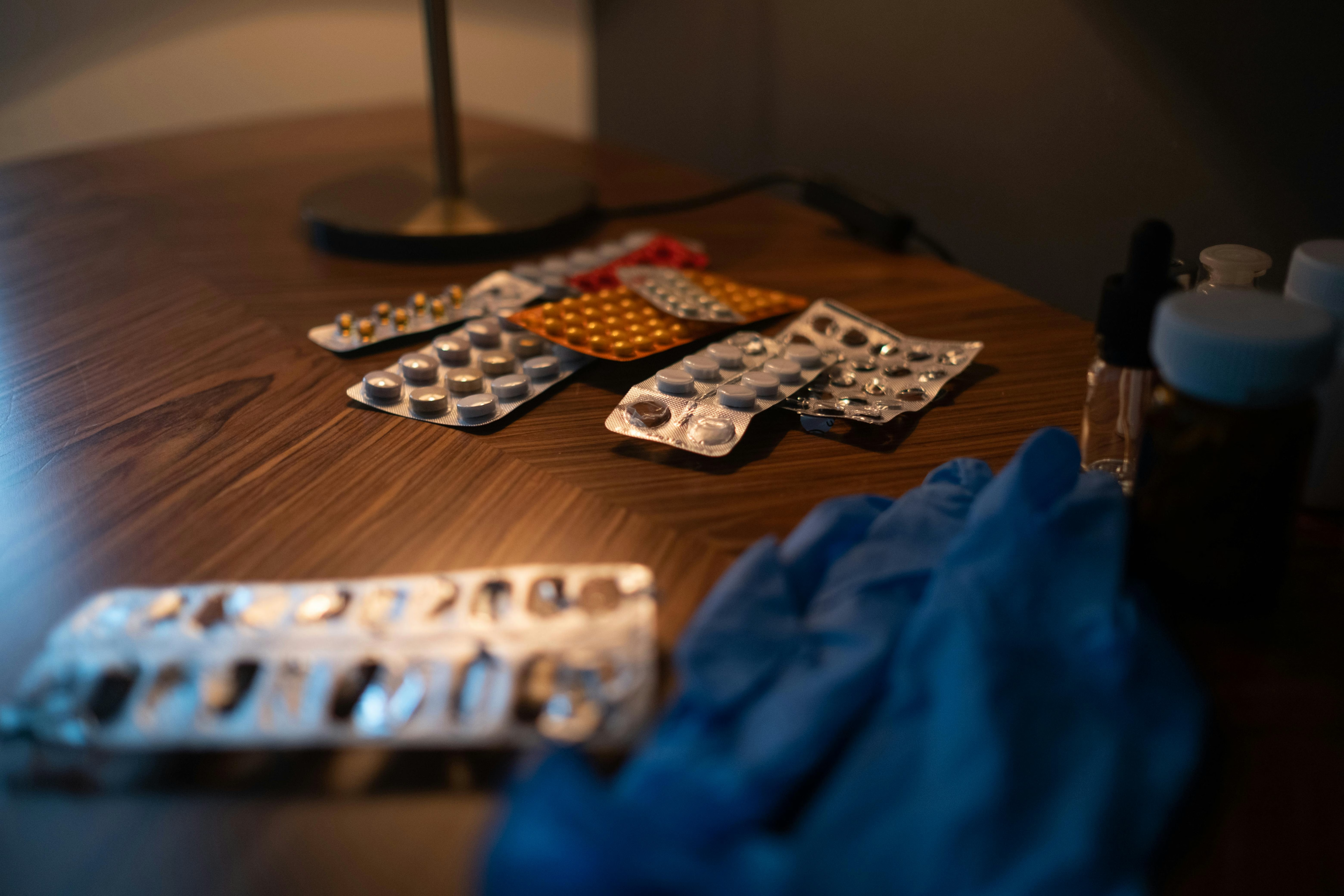
GPs now rarely prescribe traditional sleeping pills for insomnia. NHS guidance says they may be used for only a few days or weeks when insomnia is severe and other treatments have not worked. Possible problems include next-day impairment, falls, memory effects, tolerance, dependence, withdrawal and unsafe interactions with alcohol, opioids or other sedatives.
Medicine is only one possible part of insomnia treatment in UK pathways.
Daridorexant may be considered for eligible adults with long-term insomnia when CBT-I has not worked or is unavailable or unsuitable. It requires an individual prescription and review; it is not an over-the-counter solution.
Melatonin may be used for selected people and indications. The choice depends on age, health, pregnancy, other medicines and clinical assessment.
Do not combine sleep medicines, take an extra dose, use someone else’s tablets or mix a sedating medicine with alcohol. Do not stop a regularly used dependence-forming medicine suddenly without advice.
Comparing Treatment Options
Treatment | Main purpose | Important limitation |
Sleep-habit changes | Correct routine and environmental triggers | May not be enough for chronic insomnia |
Sleep diary | Show patterns and treatment response | Helps assessment but does not diagnose the cause alone |
CBT-I | Change the thoughts and behaviours maintaining insomnia | Needs active participation and suitable guidance |
Standard CBT or other therapy | Treat anxiety, depression, trauma, grief or stress | May not replace insomnia-specific CBT-I |
Treating a health condition | Address pain, menopause, thyroid, breathing or another cause | Requires the correct diagnosis |
Pharmacy sleep aid | Short-term symptom support | Does not cure insomnia and may cause drowsiness |
Prescription sleep medicine | Selected severe or persistent cases | Requires assessment, monitoring and a clear review plan |
Sleep-clinic referral | Investigate another sleep disorder or complex symptoms | Not required for every case of insomnia |
There is no single best treatment for everyone. The safest choice matches the cause, duration and risks.
When Should You See a GP?
Arrange a GP appointment if:
- changing sleep habits has not helped;
- the problem has lasted for months;
- poor sleep is making daily life difficult;
- you are too sleepy to drive or work safely;
- anxiety, depression, pain or menopause symptoms are significant;
- you snore loudly, stop breathing or wake gasping;
- your legs feel uncomfortable or difficult to keep still at night;
- a medicine or substance may be affecting sleep;
- you are pregnant or breastfeeding and need treatment advice; or
- you rely on alcohol, pharmacy sleep aids or prescription tablets to sleep.
Contact NHS 111 for urgent advice if you have taken more sleep medicine than prescribed or are unsure what urgent help is needed.
Call 999 or go to A&E for a life-threatening emergency, including severe breathing difficulty, collapse, a seizure, unconsciousness, inability to wake someone after sedative use, or immediate risk of harm.
Frequently Asked Questions
What is the best insomnia treatment in UK services?
The best treatment depends on the cause and duration. Safe self-care may help short-term insomnia. CBT-I is the first-line treatment for chronic insomnia, while related health or mental health problems should also be treated.
Can an online insomnia test diagnose me?
No. A test can help organise symptoms and show whether a GP review may be useful, but it cannot rule out sleep apnoea, restless legs, mental health conditions, medicine effects or other causes.
How much sleep do adults need?
Most adults generally need around 7 to 9 hours, but individual needs vary. Daytime alertness and functioning are important alongside the number of hours.
How long should I try self-care?
Use consistent changes and a sleep diary for one to two weeks when symptoms are mild and recent. Seek help sooner if symptoms are severe, safety is affected or there are warning signs of another condition.
Is sleep hygiene the same as CBT-I?
No. Sleep hygiene covers helpful habits and the sleep environment. CBT-I is a structured treatment that also uses stimulus control, a planned sleep schedule, cognitive techniques and relapse prevention.
Can a GP prescribe sleeping tablets?
A GP may prescribe a sleep medicine when it is clinically appropriate, but traditional sleeping tablets are usually limited to a few days or weeks and are not routinely used as a long-term solution.
Can psychological therapy improve insomnia?
Yes. CBT-I directly treats insomnia. Other therapy may improve sleep when anxiety, depression, trauma, grief or stress is contributing.
When is insomnia urgent?
Insomnia itself is not usually an emergency, but severe breathing difficulty, overdose, collapse, a seizure, unconsciousness or immediate risk of harm requires emergency help.
Conclusion
Insomnia treatment in UK healthcare should follow a clear path: understand the pattern, check for causes, use safe and consistent self-care, and seek a GP assessment when the problem persists or affects daily life. An insomnia test or sleep diary can support this process, but neither replaces a clinical assessment.
CBT-I is the first-line treatment for long-term insomnia because it addresses the thoughts and behaviours that keep the pattern going. Psychological therapy, treatment of physical or mental health conditions and, in selected cases, medicine may form part of an individual plan.
The goal is to improve sleep safely, restore daytime functioning and treat the cause without creating new risks.
This article provides general UK health information and is not a diagnosis or personal treatment plan.
Do not start, stop, combine or change sleep medicines without advice from a qualified prescriber or pharmacist.
Do not drive, cycle or use machinery when sleepy or affected by any medicine.
Contact NHS 111 if you need urgent advice or may have taken too much medicine.
Call 999 for severe breathing difficulty, collapse, seizure, unconsciousness or immediate danger.